 SUBSCRIBE


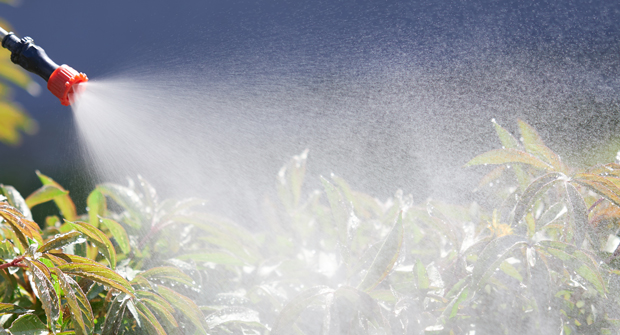
Bioherbicides are gaining attention as lawn care operators look for alternatives to conventional chemical herbicides. These biological weed control agents use living organisms or their natural byproducts to suppress or eliminate weeds. Unlike traditional synthetic herbicides that rely on chemical compounds, bioherbicides draw from natural biological interactions found in ecosystems.
According to Nick Christians, Ph.D., a professor of turfgrass management at Iowa State University, bioherbicides represent an important shift in how the industry approaches weed management. Christians has led research on corn gluten meal, one of the most well-known bioherbicide products available to lawn care professionals.

What bioherbicides contain
Bioherbicides come in two primary forms. The first category includes microorganisms such as fungi, bacteria or viruses that attack specific weeds. For example, Phoma macrostoma, a fungal-based bioherbicide, controls broadleaf weeds in turfgrass and lawns. Similarly, Xanthomonas campestris, a bacterial-based bioherbicide, targets annual bluegrass in turfgrass. These microbial agents essentially act as biological pathogens, seeking out their target weeds and compromising their ability to thrive.
The second category consists of natural compounds, or metabolites, that plants or microbes produce to inhibit weed growth. Corn gluten meal falls into this category. The wet milling process of corn produces this byproduct, which inhibits root formation in germinating weed seeds when lawn care operators apply it to turf.
Christians notes that corn gluten meal works differently than many lawn care operators expect. It inhibits root formation of germinating seeds but has no effect on established weeds, which makes timing applications critical for success. He adds that corn gluten meal provides up to 60 percent control of annual weeds such as crabgrass, foxtails and perennial weeds such as dandelion when compared to conventional herbicides.
How bioherbicides work
Bioherbicides control weeds in three general ways. They can infect the weed and cause disease that weakens and kills the plant. They can also produce toxins or enzymes that disrupt plant growth or metabolism. Additionally, some bioherbicides interfere with photosynthesis, nutrient uptake and cell structure.
Their target specificity makes bioherbicides particularly appealing for sustainable turf management, reducing risks to non-target plants and ecosystems. Companies generally produce them as biodegradable products with low residue concerns. Lawn care operators can also integrate them with cultural, mechanical or reduced-rate chemical controls in comprehensive or integrated weed management systems.
Understanding the limitations
Bioherbicides typically offer a narrow spectrum of control, which requires lawn care operators to identify weeds accurately. They often act more slowly than synthetic herbicides, meaning lawn care operators need to manage client expectations about results. Environmental conditions such as humidity, temperature and UV exposure can affect their performance, making application timing and weather monitoring crucial for success.
Christians emphasizes that lawn care operators need a good understanding of when and how to use these products. In particular, applicators must know about species specificity, the best time to apply them and environmental conditions that ensure successful control.
For instance, some bioherbicides require specific moisture levels or temperature ranges to activate properly. Because of these complexities, companies have developed products for the market relatively slowly as they refine their formulations.
Cost presents another consideration. Bioherbicides often cost more than conventional options, creating a niche market of environmentally conscious users willing to pay a premium for ecological stewardship.
Why consider bioherbicides
Bioherbicides reduce environmental chemicals but won’t entirely replace synthetic herbicides. Lawn care operators can incorporate bioherbicides into an integrated weed management program or offer them as a stand-alone weed control option for clients who want no synthetic herbicides on their turfgrass or lawns.