 SUBSCRIBE



You’ll find them just about everywhere: All 50 states (plus Canada), all climates and just about all lawns are susceptible to the terrors of dandelions.
Except, terror might be an overstatement.
Even as one of the most prevalent and identifiable lawn problems, they’re surprisingly simple to remove, so it’s important not to overthink the issue.
The invasion
Dandelions (Taraxacum officinale) can easily take hold of weakened or disturbed turf, but Dan Turner, owner of Custom Lawns outside of Cleveland, says even healthy lawns are at risk.

“You will find (dandelions) pretty much in any lawn, anywhere with sunshine,” he says. “Obviously the most common weed, especially for homeowners to be able to identify. Even a healthy stance of turf with neighboring lawns full of dandelions can have one or two of them pop up.”
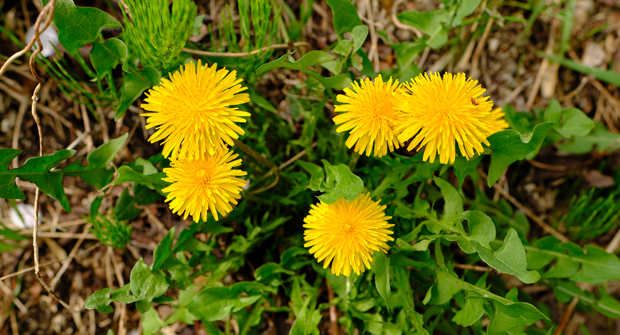
Their signature bright yellow flower heads and white, puffball seed heads with parachute-like seeds thankfully don’t cause much turf damage besides hogging space and some soil resources, but they do pose a significant and common aesthetics problem for homeowners.
Mowing is a typical way homeowners try to remove them due to their tall, leafless stalks, keeping the deeply lobed leaves at the base with sharp “teeth” pointing toward the stem. However, this often results in the weed simply growing back.
“You can have not the healthiest looking lawn, but if it’s weed free, the customer is sticking with you again,” Turner says. “You have a lush, green, thick, beautiful lawn with a bunch of dandelions, you’re going to have that customer not thrilled with you, looking elsewhere to switch their services to.”
The defense
While proper identification for most weeds is crucial, especially catching them sprouting early or using preemergents to stop their germination, Turner says dandelions are an exception. Oftentimes, his team doesn’t take the time to spot them early, instead favoring a reactive approach due to the easy management.
“We just pick and choose a good broadleaf herbicide, and all year round, that’ll be able to take care of all the weeds at the time of each service. For us, cost-wise, it’s a little bit more effective to just target the weeds each service instead of (using) any type of preemergent herbicide,” he says. “They’re all specialty products that you have to buy in. The cost for it isn’t as effective, especially (for) customers we’ve had for a long time that don’t have lawns full of weeds.”
And to keep it even simpler, Turner says sticking with a solid broadleaf herbicide is still better than manually pulling up the weed. Dandelions are perennial pests with a deep taproot, so pulling the plant without removing the entire root will often result in regrowth.
One of the few complications with dandelions, however, is their relationship with pollinators, particularly bees. Although the quality of nectar and pollen is debatable for dandelions, they can still serve as a decent source when better options aren’t available, which is something environmentally conscious clients might bring up.
“The only thing that we hear a lot on the phones in our office is people … afraid of us coming and killing their lawn full of dandelions — that we’re going to hurt the bee population,” Turner says. “The broadleaf herbicide isn’t an insecticide. It’s not going to hurt any of the bees.”