 SUBSCRIBE


LOCATION Estes Park, Colo.
COMPANY Alpine Gardens
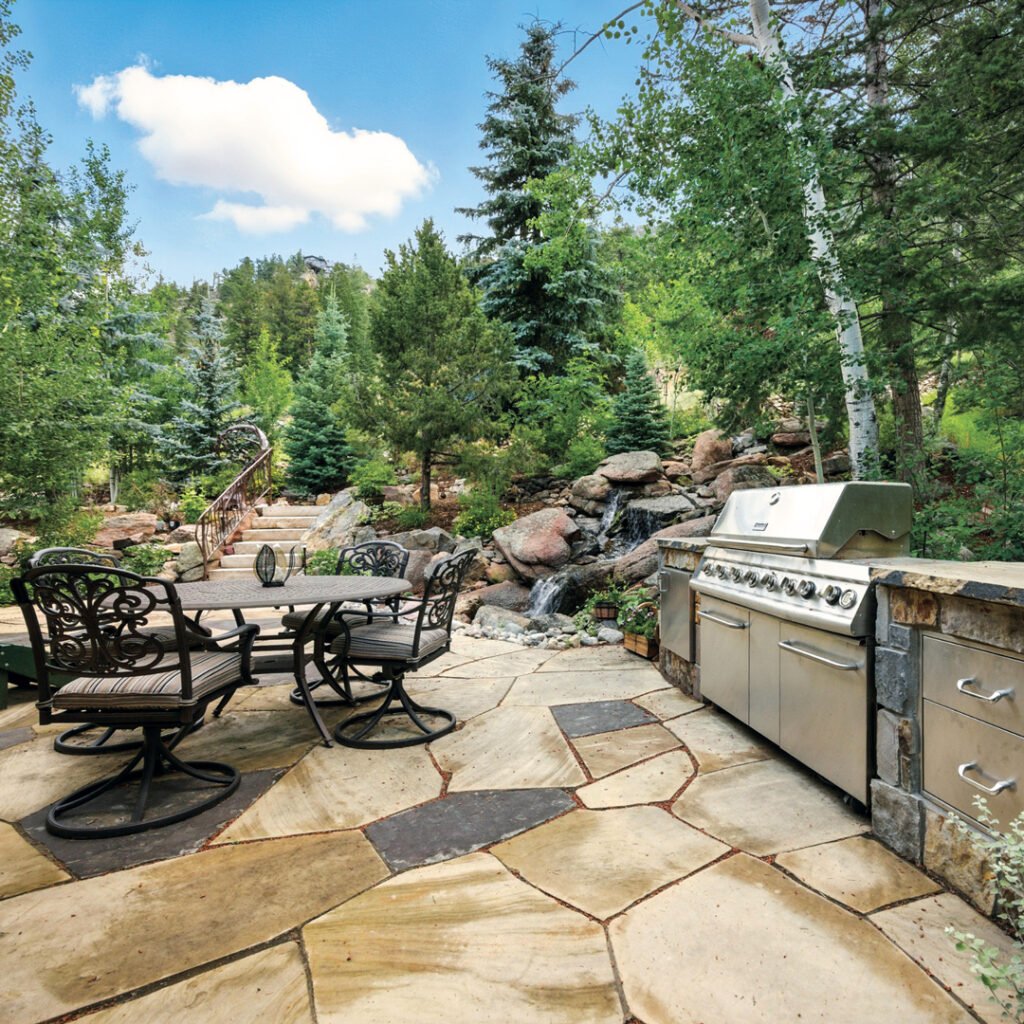
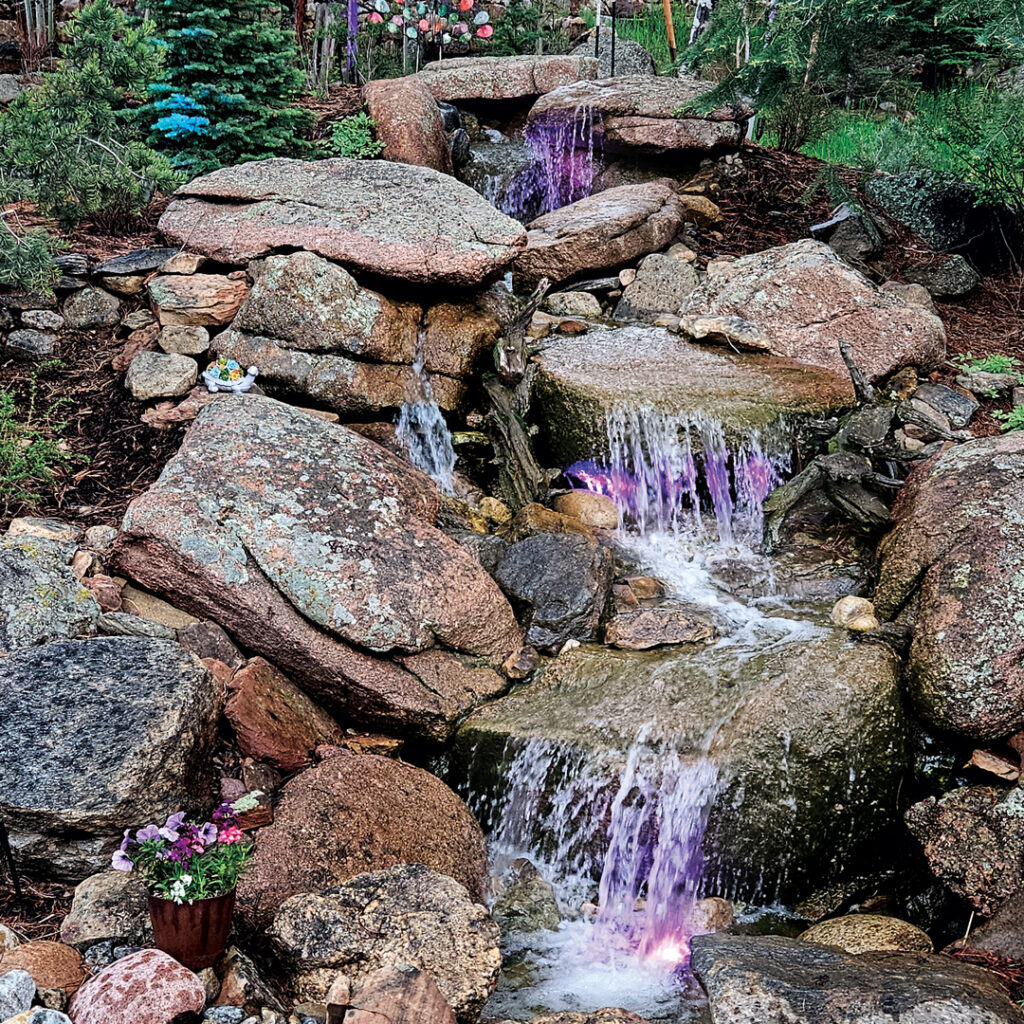
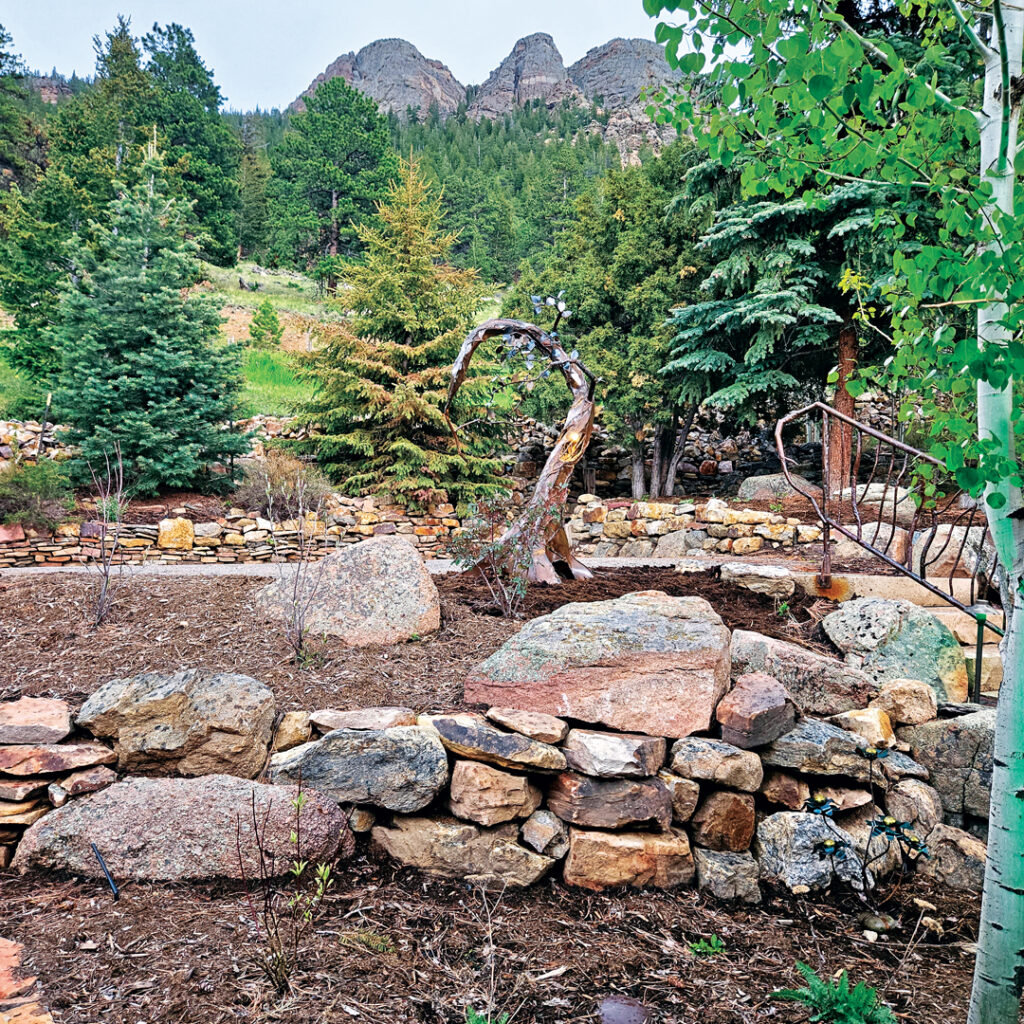
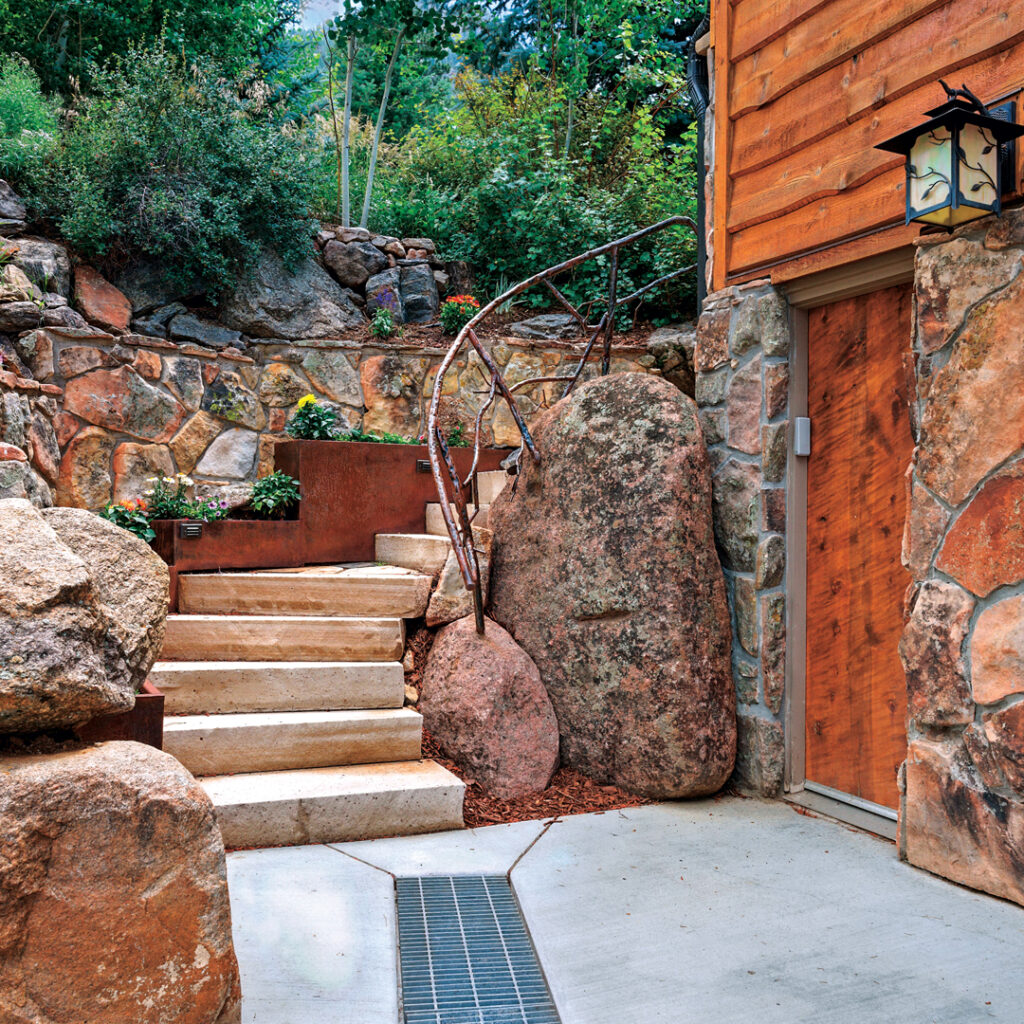
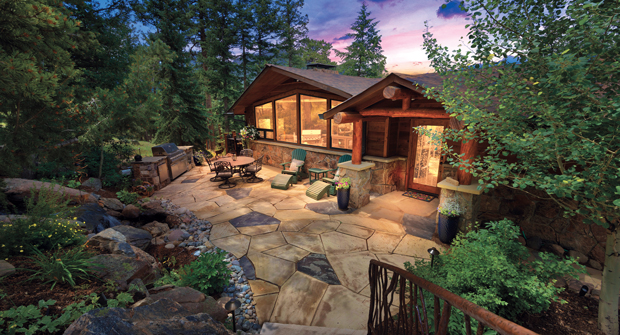
DETAILS Alpine Gardens navigated extreme environmental and logistical hurdles to implement a multi-faceted irrigation strategy for its recent High Mountain Haven project in Estes Park, Colo.
According to project manager Brandon Vannest, to manage a 25-foot elevation change and the risk of uneven water distribution, the team installed a sophisticated drip irrigation system divided into distinct microclimate zones. These zones were specifically tailored to address varying light levels, heavy pine-needle soil accumulation and the specific needs of shaded versus sunny areas.
To ensure the long-term health of the landscape, Vannest says the team intentionally over-engineered the system by limiting drip line runs to 125 feet, which is roughly half the length used in standard installations. This approach extended to water volume, as each zone was designed to operate at only 75-percent capacity to account for future plant growth and increased water demands.
“You have to calculate what the water requirements are going to be in five years, and not necessarily the day that we install (the system),” he says.
Technical precision was further maintained by using a reduced-pressure backflow preventer and a Rain Bird ESP controller, which allowed for remote manual overrides when local valley weather data failed to match the property’s unique high-altitude snow and rain patterns.
Sustainability and maintenance were also primary drivers of the irrigation design, Vannest says. The project utilized native, drought-tolerant and pest-resistant plantings to minimize water dependency. To protect the infrastructure from the area’s extensive hardscaping, Alpine Gardens installed 3-inch and 6-inch sleeves beneath all flagstone patios and walkways.
In 2025, the National Association of Landscape Professionals (NALP) recognized Alpine Gardens with a gold award in its Awards of Excellence program for its work on the High Country Haven project.