 SUBSCRIBE


People hire landscapers to take care of their property, saving time and avoiding the need to own equipment. Being trusted to keep homes and businesses aesthetically pleasing means you and your employees must properly manage the waste.
It may seem straightforward, but failing to do so can lead to higher costs, wasted time and declining customer satisfaction.
Developing a waste management plan
A cohesive plan keeps everyone aligned, ensures regulatory compliance, reduces environmental impacts and saves money.
Emphasize reusing materials like mulch and compost and create a plan for them. Especially if you plan on selling it, the mulch and compost must be cohesive.
You must also ensure that all your employees properly handle hazardous waste to protect their health and the public. This includes pesticides, solvents and fuels for equipment maintenance. Failing to do so can lead to long-term environmental and health damage.
Develop a plan that prevents contaminants from entering waterways. This reduces pollution and helps you avoid fines.
Get the most out of your dumpster rental
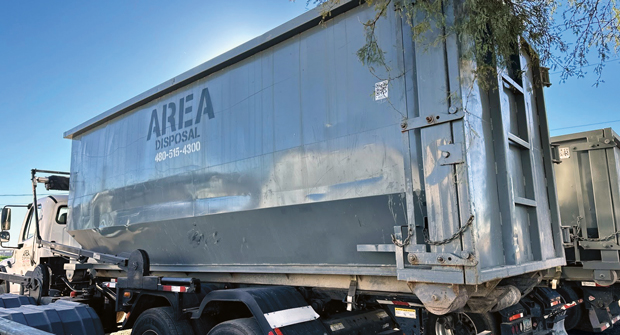
If you choose to use dumpster rentals instead of your own trucks, invest in the correct size. Larger jobs often require dumpsters to save time and avoid making multiple trips. When choosing a dumpster, it’s always better to overestimate.
The 40-cubic-yard dumpster is the safest option for a large job. Choosing a dumpster that’s too small can result in multiple trips to the landfill, wasting time and fuel, and increasing costs for your business. However, if it’s a small job like trimming a couple of trees or focusing on one part of the yard, a 15-cubic-yard dumpster should do the trick.
To get the most out of your dumpster rental, it’s essential to cut waste as small as possible. The larger items should be placed first, and smaller loose items, such as bags with grass clippings, should be put on top.
Invest in some mobile shredders. If the job involves a lot of limbs and foliage, this saves time cutting them down and creates more space in the dumpster.
Reuse waste
Reusing waste will save space — and money — on fertilizer and mulch and can even generate a profit in the end.
The tree grindings from the shredder, combined with grass clippings, make great mulch. Mulch blocks sunlight, inhibiting weed growth and reducing the need for herbicides, saving time on waste management in the long run.
You can collect it and process it into compost to sell to gardeners, farms or other businesses. You can also turn wood waste, such as large tree branches or trunks, into firewood for sale. It’s best to collect and dry it to sell during the winter season.
Know your area
You and your team need to know the area you’re working in. Understanding your area’s vegetation and native plants’ growth cycle helps enable planning for the amount of waste they produce.
For example, if you’re in New England, you’re probably going to be dealing with a lot of grass clippings, flower beds and various maple trees. If you’re in Arizona, you’ll be dealing with a lot of cacti and agave, which produce far less waste.
Know the local topography and proximity to water bodies. This prevents fertilizers, chemicals and organic waste from contaminating streams, rivers and oceans through storm drains.
Additionally, there might be local ordinances that you need to be aware of. Most cities and counties have specific rules regarding the disposal of yard waste. If waste is deposited on unauthorized public or private property, you’ll violate local codes and be subject to fines. In some cases, if waste is dumped illegally on a client’s property or it’s left improperly managed, the property owner can face fines or be responsible for cleanup.
Managing waste when landscaping is pretty straightforward. Put together a plan, invest in necessary equipment like shredders and dumpster rentals, and know the area you’re working in. Following these guidelines can help your business save a lot of money and time in the long run.