 SUBSCRIBE


Most landscape companies don’t fail. They just don’t survive their founder.

Those are different problems. And it’s one almost nobody in this industry is talking about seriously enough.
Think about the businesses you’ve watched disappear over the last decade. Not because they lost on price. Not because they couldn’t find work. Because the person who built it was the business, and when they stepped back, there was nothing underneath it strong enough to hold.
Forget about legacy — that’s called dependency.
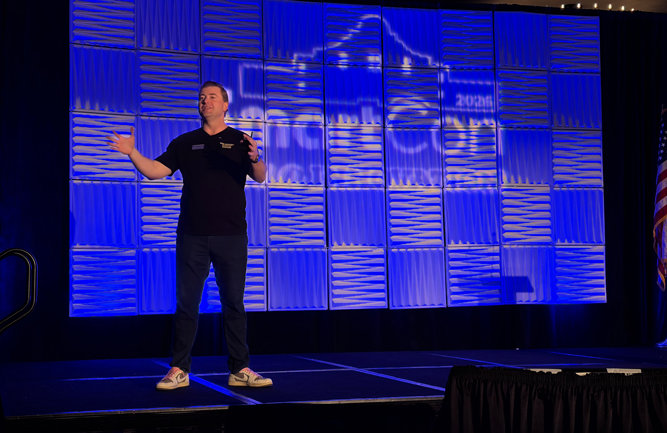
I recently stepped into the CEO role at Weathermatic after spending several years as company president. I’m proud of that transition. But what I’m more proud of is that nobody was surprised by it. The partners didn’t flinch. The team didn’t skip a beat. Clients kept calling the same people they always called. That kind of continuity doesn’t happen by accident. It happens because the work of building the next layer of leadership starts years before anyone makes an announcement.
Most owners don’t do that work. And here’s why: It requires letting go before you’re ready.
The owners who get this right give their successors real authority. Not just responsibility but real authority. The ability to make the call, own the outcome and build judgment through actual experience. When you step back in and take control every time something goes sideways, you’re not developing a leader. You’re confirming that you’re the only one who can do the job.

And that becomes a very expensive belief.
Bob Grover built Pacific Landscape Management — No. 59 on the 2025 LM150 list of the largest revenue-generating companies in the business — into something that most owners in this industry only dream about. The questions he’s asked himself about legacy, about what this business is without him at the center of it, are the right questions. They’re the ones more owners need to be sitting with right now.
Here’s what I know about succession planning that nobody wants to hear: Naming a successor and building one are not the same thing. You can decide who comes next tomorrow and still leave them completely unprepared. The work is not the announcement. The work is the years before it.
And the business case is undeniable. A company that runs well because of its systems, its culture and its leadership depth is worth significantly more than a company that runs well because of one person. Buyers understand this. Your employees understand it too, even if they’ve never said it out loud.
If you want to build something that outlasts you, the window to start is always earlier than you think.