SUBSCRIBE


The author of this article is Tammy Sons, founder and CEO of TN Nursery. She enjoys writing about horticulture-related topics and all things native as a pastime. You can find her at her tree farm in Altamont, Tenn., mowing or enjoying the pollinators on the native plants.
Native plants have become an increasingly important part of professional landscape design, ecological restoration, commercial development and large-scale pollinator projects. Landscape architects, contractors, municipalities, developers and restoration professionals are recognizing that plant selection involves much more than choosing species that look attractive on installation day.

For larger or more commercial projects, sourcing decisions can be difficult and can influence establishment rates, long-term maintenance, biodiversity, erosion control, pollinator activity and, ultimately, the success of the entire landscape.
Whether a planting project involves several hundred plants or many thousands, professionals or prospective buyers should evaluate the nursery, plant material, species selection, site conditions and long-term objectives before placing an order.
Start with plants suited to the site
One of the greatest advantages of native plants is their ability to perform under the environmental conditions in which they naturally occur. However, the word “native” alone does not mean that every native species is appropriate for every location.
Soil moisture, drainage, sunlight, soil type, slope, climate and available growing space should all influence plant selection.
A wetland restoration project, for example, may benefit from moisture-thriving plants such as sedges, rushes, wetland perennials and certain native trees. A dry area near roadsides installation requires an entirely different plant community. Woodland restoration may call for shade-tolerant ferns, trilliums, woodland wildflowers, shrubs and understory trees.
Matching plants to existing land conditions can reduce the amount of intervention and maintenance required after installation and should be taken into account. Rather than continually modifying a site to accommodate poorly suited plants, professionals can select species that thrive under the site’s natural conditions.
Consider the purpose of the installation
Before sourcing plants, professionals should clearly define what the landscape needs to accomplish — whether it be for a commercial project or simply for aesthetics near shopping malls or apartment complexes. Another issue to consider is irrigation. It’s vital for non-native plants to receive ample care and irrigation during those hot, dry summer months, especially in the Southern U.S.
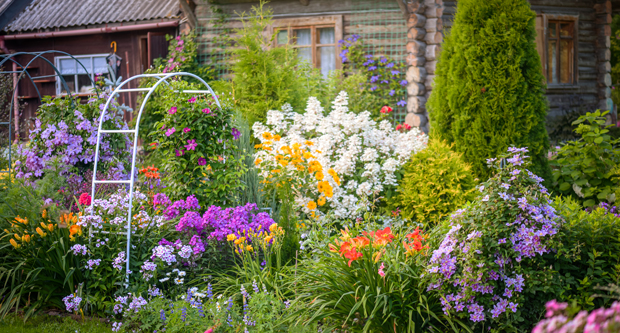
A commercial landscape designed primarily for visual appeal has different requirements from a streambank stabilization project. Likewise, a pollinator garden has different objectives from a privacy planting or woodland restoration.
Large native plant installations may be designed to provide erosion control, stormwater management, wildlife habitat, seasonal color, screening, soil stabilization or ecological restoration, depending on the specific need. Many successful projects accomplish several of these objectives simultaneously.
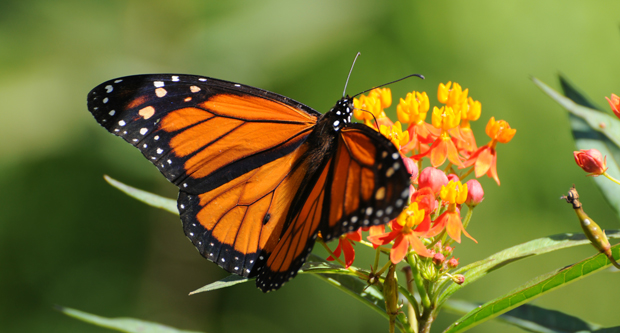
A thoughtfully designed pollinator planting, for instance, can provide nectar and host plants while also creating seasonal color and reducing areas that require regular mowing. One excellent example is the monarch butterfly. It’s going extinct, and the milkweed plant is its only host plant that a monarch uses to lay eggs on. It’s vital to support pollinators’ longevity, especially for our fruit and crop supply chain.
Understanding the project’s primary purpose helps determine which plants should receive priority when sourcing material.
Build pollinator gardens around more than flowers
Pollinator gardens are sometimes designed primarily around plants with conspicuous flowers. Flowering plants are certainly important, but a functioning pollinator habitat requires more diversity.
Landscape professionals should consider bloom succession so nectar and pollen sources are available throughout as much of the growing season as possible. Early, mid- and late-season bloomers can be combined to create a more consistent food source for bees, butterflies, moths, hummingbirds and other beneficial wildlife.
Host plants are another important consideration. Like the monarch, certain butterfly species depend upon specific plants for reproduction. The zebra swallowtail, for example, relies on the native pawpaw (Asimina triloba) as its larval host plant. Incorporating host plants alongside nectar-producing species can transform an attractive flower garden into a more complete habitat.
Plant diversity also provides resilience. If weather conditions adversely affect one species during a particular season, other plants may continue to provide valuable resources.
Verify species identity
Accurate plant identification becomes particularly important when hundreds or thousands of plants are being installed.
Professionals should pay attention to botanical names in addition to common names whenever possible. Common names can vary considerably by region and may occasionally refer to several different species.
Botanical identification helps ensure that the plants specified in a landscape or restoration plan are the plants actually delivered. This is particularly important for ecological restoration projects where introducing an unintended non-native species could undermine the project’s objectives.
For large installations, buyers should communicate clearly with their nursery supplier about species, quantities, sizes, substitutions and acceptable alternatives before ordering.
Evaluate the nursery’s experience
Large landscape installations require a different level of planning than purchasing several plants for a residential flower bed, meaning nursery experience matters.
A supplier familiar with native plants should understand dormancy, bare-root handling, appropriate shipping seasons, storage requirements and the characteristics of individual species. For landscape professionals, working with an established nursery can also be valuable when projects require numerous plant categories rather than a single species.
Consolidating native trees, shrubs, perennials, ferns and ground covers through an experienced supplier can simplify procurement and help keep large installations organized.
Understand plant sizes and establishment expectations
Larger plants are not automatically better for every project. Large container-grown material may provide immediate visual impact, which can be valuable for highly visible commercial properties. However, restoration projects and mass plantings may benefit from smaller plants or bare-root material that can be installed economically in greater numbers.
Landscaping professionals should always be considerate of the project’s budget, timeline, labor availability and desired establishment period.
Bare-root plants can be particularly practical for large installations because they are easier to transport and handle in volume. However, crews must understand proper storage and planting procedures. Roots should not be allowed to dry out, and plants should be installed promptly under appropriate conditions.
Dormant plants may also appear very different from actively growing container plants. Professionals managing installation crews should ensure that workers understand what healthy dormant material looks like so viable plants are not mistakenly discarded.
Ask about availability early
One of the biggest challenges with large native plant projects is obtaining sufficient quantities of specified species.
Some native plants are naturally produced in smaller quantities than conventional landscape plants. Hard-to-find woodland plants, specialty ferns, certain wetland species and less commonly cultivated natives may have limited seasonal availability.
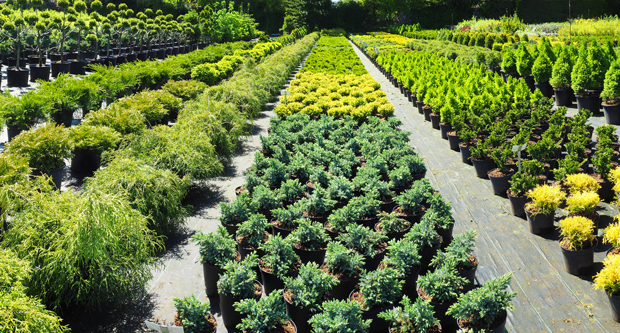
Projects requiring hundreds or thousands of plants should begin sourcing discussions as early as possible. Early planning gives nurseries more time to confirm inventory, reserve quantities, suggest appropriate alternatives or coordinate production. It also allows landscape professionals to develop an approved substitution list before installation begins rather than making hurried decisions when a particular species becomes unavailable.
Think in plant communities
Natural landscapes rarely consist of a single species planted repeatedly across a large area. Restoration professionals can often achieve better ecological results by thinking in terms of plant communities.
A woodland planting might combine canopy trees, understory trees, shrubs, ferns, woodland perennials and ground covers. A wetland project might combine rushes, sedges, moisture-tolerant wildflowers, shrubs and trees suited to periodically saturated soil.
Planting multiple layers can improve habitat while creating landscapes that appear more natural as they mature.
Diversity can also help protect an installation from catastrophic loss. Disease, insects, drought, flooding or unusual temperature fluctuations may affect certain species more severely than others. A diverse landscape is less dependent on the performance of a single plant.
Plan for maintenance before installation
Native plants can reduce care and maintenance once established, but they are not maintenance-free. The first growing season is particularly important.
Watering, weed suppression, mulching, monitoring and replacing losses may be necessary while plants develop established root systems. Professionals should consider these requirements during the design and budgeting stages rather than treating maintenance as an afterthought.
Plant spacing also matters. Installing plants too far apart may leave large areas of exposed soil where weeds can establish. Planting too densely can create unnecessary expense or competition. The appropriate spacing depends on the species, mature size and purpose of the project.
Consider the long-term landscape
Successful native plant sourcing is ultimately about looking beyond installation day.
A plant that is inexpensive initially but poorly suited to the site may become expensive when repeated watering, replacement or maintenance is required. Conversely, appropriately selected native plants can become increasingly valuable as their root systems establish and the landscape matures.
For pollinator gardens and restoration projects, success should also be measured by ecological function. Are pollinators using the site? Are plants reproducing naturally? Is erosion decreasing? Are invasive species being controlled? Is wildlife returning?
These are signs that an installation is becoming a functioning landscape rather than simply a collection of plants.
Sourcing native plants with the bigger picture in mind
Large native plant installations require coordination between designers, landscape contractors, restoration professionals, property owners and nursery suppliers.
The best results always begin with understanding the site’s soil composition and layout while establishing clear objectives. From there, professionals can select appropriate species, verify plant identity, determine suitable sizes and quantities and work with nurseries that can supply the necessary material.
For projects involving native trees, shrubs, perennials, ferns, wildflowers, wetland plants, ground covers and pollinator species, experienced native plant suppliers such as TN Nursery can serve as an important link between the design plan and successful installation.
Ultimately, sourcing should not be based solely on what is available or inexpensive today. The better question is what combination of plants has the greatest likelihood of thriving on the site for years to come.
When native plants are chosen for a planting project based on their environmental requirements and ecological roles, large installations can become more resilient, more beneficial to wildlife and increasingly beautiful as they mature.