SUBSCRIBE


Fall has arrived, bringing cooler weather, colorful foliage and an end to the dog days of summer. But it won’t be long before the snow and freezing temperatures of winter come knocking on the door.
As lawn care businesses ease off the gas around the country, it’s important to remember that now is the time to set the turf up for success in the winter and following year. To ensure a smooth season and clients that want to renew their service next year, here’s a few tips on how to best prepare a lawn for the next few months.

Repairing the lawn
If you haven’t done so already, now might be the last chance for lawn care operators (LCOs) to aerate and seed the lawn, replacing anything lost during the summer. Aim for when soil temperatures dip to or below 65 degrees F, as warm days and cooler nights encourage seed germination and root establishment before winter or an early frost.
When newly seeding, Jay Wyrick, turf and ornamental account manager for Orion Professional Turf Products in North Carolina, says some active ingredients like mesotrione can be applied during seeding to help fight weed germination, but for most other postemergents, it’s best to wait.
“Once you’re six to eight weeks past germination and the new turf has been mowed two or three times, you can begin considering postemergents herbicides for broadleaf weed control,” he explains.
Checking in on clients is also important to make sure they’re properly mowing their newly seeded lawn and keeping the falling leaves off it.
Get those products down
Fall is also an important time to relieve end-of-year weed and disease pressure. Two diseases Wyrick says stand out are spring dead spot (especially in the Transition Zone) and large patch on warm-season turf.
“In warm-season turf, start preparing as nighttime temperatures begin dropping below 70 degrees,” he says. “That’s the time to make preventive fungicide applications for diseases such as large patch and spring dead spot. Once symptoms appear in the spring, your options become much more limited, and you’re often left managing recovery and growing turf back into the damaged areas.”
Fertilizer is another product that can really boost a lawn to survive and thrive in the winter, but turf type also plays a big factor in timing. For warm-season turf, stop fertilizing six to eight weeks before the area’s average first frost event. In cool-season turf, fertilizing can go up to late fall, and Wyrick says he’ll even go into late December to push for more root growth and set the turf up to survive the following year.
Wyrick’s biggest tip is to focus on weed control, whether that’s spraying postemergents for summer annuals and persistent broadleaf problems or making preemergent applications.
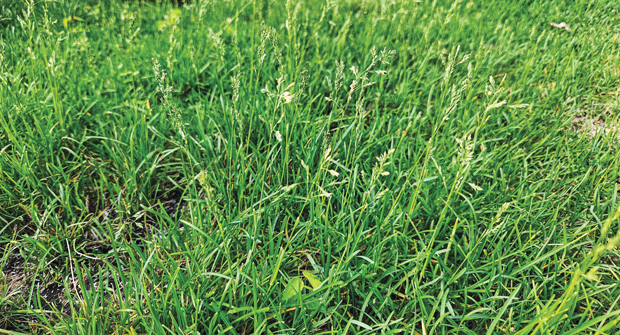
“Going into fall, winter weed control needs to be a priority. Even though you may not see those weeds yet, germination is already occurring. Poa annua is one of the biggest challenges and remains one of the most difficult weeds to manage consistently across turfgrass environments.”
Using multiple modes of action is always a good idea as LCOs tackle fall weed control, but when it comes to postemergent applications, one mistake Wyrick has seen is applying too early on those newly seeded lawns, which can stunt or even kill the seeding turf.
“A good rule of thumb is to wait until newly established turf has been mowed two or three times before making most postemergence herbicide applications,” Wyrick says. “Even products labeled for the turf species can put additional stress on immature seedlings.”