SUBSCRIBE


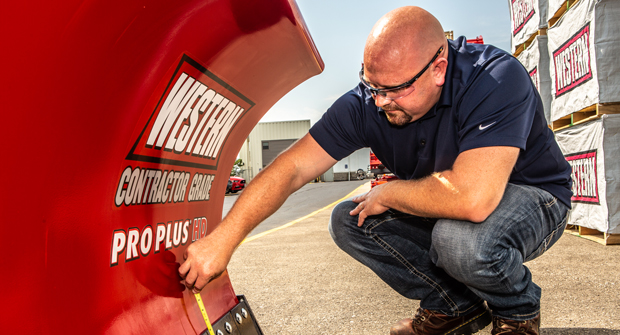
There is a reason that a preseason snowplow inspection is standard best practice in the snow and ice industry. When you take care of your equipment at the beginning of the season, it takes better care of you in season. Here are a few tips to set you up for success this winter.
Before you plow
Avoid simple mistakes and early break downs by digging into some of the details you can miss during a busy season. Before performing any service, it’s important to review the owner’s manual for safety guidelines and procedures.
Mounting and alignment. Ensure the plow is installed properly on the vehicle. Test it to make sure the control and plow are working in sync by moving it up, down and side to side. Inspect all mounting points and fasteners for proper torque and verify that cotter pins are in place, if required.
NOTE: Check the headlamps and adjust those for proper alignment to allow for safe illumination distance and aim. Refer to the manufacturer’s owner’s manual for specific headlamp adjustment procedures.
Electrical components. Clean and tighten all electrical connections, wires and plugs, and apply dielectric grease where recommended to prevent corrosion. Perform a function check after servicing your equipment, including accessories.
Fluid and grease. Check the fluid levels in your hydraulic system and keep an eye out for leaks and damaged hoses. Perform a hydraulic fluid change before starting the new season. Lubricate all grease fittings and any other pivot points recommended in your owner’s manual with a grease formulated for cold, wet and dirty environments.
Replacements. Visually inspect the cutting edge, shoes, hydraulic hoses and other parts that may be prone to wear and tear. Replace worn or damaged parts and repaint as necessary to protect exposed metal from rust and corrosion.
Emergency bag. Run through your emergency supplies and make sure you have everything you’ll need for the first event, including a first aid kit, basic tool kit, hydraulic fluid, extra hoses, coils, solenoids, fittings and common replacement parts. A shovel, flashlight and additional warm clothing may also come in handy.
Your vehicle needs care too
To help keep your equipment and vehicle dependable when you need it, follow these care tips for consistent performance:
- Confirm proper operation of the windshield wipers, heater, auxiliary lights and back-up camera. Make sure all fluids are topped off, including engine oil, brake fluid, transmission fluid, coolant and windshield washer fluid.
- Make sure your tires have the correct amount of pressure and are in good, serviceable condition.
- Inspect and test the vehicle battery as well as the charging system. Replace or repair components as needed.
- Complete regular service based on manufacturer recommendations at the appropriate intervals, including oil changes, tire rotations and recalls.
- If you’re plowing commercially, it may be a good idea to start the season with a fresh set of brake pads.
PRO TIP: If required, make sure your vehicle has the proper ballast for your plow setup. Check that the Front Gross Axle Weight Rating (FGAWR) is not overloaded and that the truck’s horizontal center of gravity is within OEM certification range for Federal Motor Vehicle Safety Standards (FMVSS) 105. Check the plow and vehicle manufacturer specifications to determine the appropriate ballast and weight requirements.
Estimating, upgrading efficiency
Estimate total de-icing needs using past data to buy smarter. Use tools like pre-wetting systems or auto-speed controls to stop salt waste.
Ongoing maintenance
Like any machine, a regular tune-up can help keep your equipment operating properly throughout the season.
Remember, if you’ve incurred any damages following an event, address those issues before the next storm.
Contact your local snowplow dealer or service provider for preseason inspection services.