SUBSCRIBE


When landscape professionals hear the word “winterization,” they often think about draining irrigation systems, blowing out lines and shutting equipment down for several months. In California, however, the approach to winterization can look different.
Most of my experience has been managing irrigation and water system across California for large HOAs, resorts and golf courses. Since these systems run year-round, winterization focuses on seasonal adjustments, preventive maintenance and inspections rather than full shutdowns.
How water works
The first thing I look at is how the water feature is being used.
Water features sit at front monument entrances in many HOA communities. These fountains, waterfalls and decorative ponds play an important role in the appearance of the community. Even during winter, boards and property managers generally want these features operating and looking presentable.
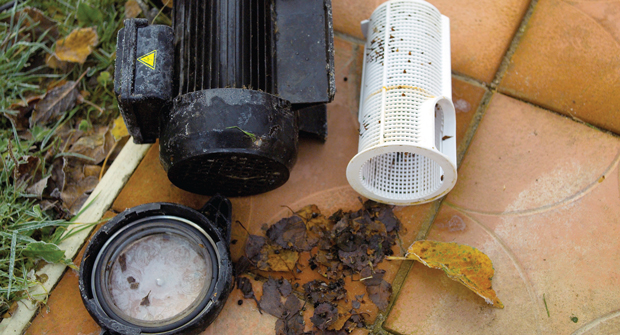
For these systems, winter preparation should include inspecting pumps, filters, intake screens, autofill systems, valves and exposed plumbing. Cooler temperatures may reduce evaporation and water demand, which can provide an opportunity to adjust operating schedules and inspect equipment that has been working hard through the summer.
Even in areas such as California, however, freezing temperatures cannot be ignored. Inland communities, higher elevations and desert areas can still experience overnight freezes. Exposed plumbing, small supply lines and autofill assemblies are usually more vulnerable than the pond itself. From an irrigation perspective, I always ask the same question: Where can water become trapped?
If water is trapped inside an exposed pipe, fitting or valve, a freeze can create damage even if temperatures return to normal the following afternoon.
Livin’ large
The second type of system I commonly encounter is larger condominium or master-planned communities with streams, creeks and interconnected ponds. These systems can be significantly more complicated.
A decorative stream may travel hundreds or even thousands of feet through a property, sometimes passing through multiple ponds, waterfalls and pump systems. Winter becomes a good time to evaluate the entire hydraulic system.
Crews should inspect pumps, strainers, water levels, overflow structures and areas where sediment or debris has accumulated.
This is also the time to look for something landscape professionals sometimes overlook: water loss.
A stream or pond that continually requires additional makeup water may have a leak, damaged liner, plumbing issue or operational problem. Because evaporation rates generally decrease during cooler weather, it can be an excellent time to spot abnormal water consumption.
The third application is much larger water bodies. Some communities and golf course properties have large lakes or ponds that are not simply decorative. They can also function as storage or supply water for irrigation.
An irrigation pond is a key piece of water infrastructure, not just a landscape amenity. Its winter inspection requires checking water levels, pump stations, intake structures, filtration, water quality and available storage.
Future prep
Winter is also an important time to prepare these systems for the following irrigation season. Inspecting intake screens, pump performance, lake levels and irrigation connections during the lower-demand months can help identify problems before landscape water demand begins increasing again in spring.
Documentation should also be part of the process. Record equipment condition, repairs that are needed, water levels, abnormal water loss and any components that may need replacement before warmer weather arrives.
In California, winterization rarely means shutting off water. Instead, use the slow season to check overall system performance.