SUBSCRIBE


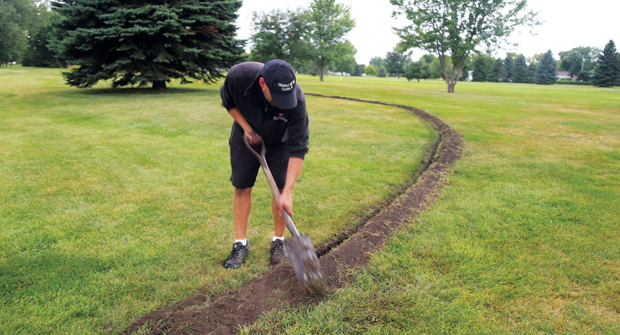
Trenching for irrigation installation means different things depending on the scope of the project. For many contractors, trenching involves creating shallow, narrow channels to install sprinkler systems or water lines. This type of project doesn’t need a large excavator but can benefit from the productivity a trencher offers compared to hand digging.
Designed for shallow trenching applications, mini trenchers streamline irrigation installation by providing efficiency and precision while minimizing disruption to the surrounding landscape.
Faster installation, higher productivity
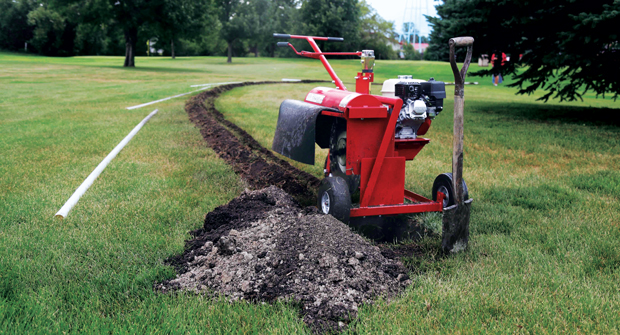
Mini trenchers offer operators an ideal solution for shallow depth trenching, about 12 inches deep and 2 inches wide. This type of trenching is ideal for sprinkler systems and narrow channels for drainage lines.
Compared to bulky-to-maneuver and intimidating chain-driven trenchers, or the back-breaking work of shoveling by hand, mini trenchers cut through tough soils fast without strain. They’re easy to handle, offer fast cutting speeds, cut cleanly and reduce worksite damage — all benefits to an operator’s efficiency.
Safety and simplicity further impact efficiency. Mini trenchers that allow operators to push the unit by walking forward rather than backward give users full control and enhance safety by enabling consistent sight of their travel path. Some forward walking units cut as fast as 30 feet per minute, which helps installers accomplish pipe placement and system completion quickly, especially when compared to larger chain-driven trenchers.
Trenching is only half the job. Backfilling and cleanup require time and effort as well, so it’s important to look for designs that minimize those. Search for a mini trencher that piles dirt neatly on one side. This can reduce backfill times by as much as 50 percent over models that kick it out to both sides. Not only does that cut backfill and cleanup time, but it also creates less of a mess. It also minimizes soil cupping since the trench is narrow and allows for the area worked to be rehabilitated back to its natural state quickly.
Consider mini trenchers that feature pneumatic tires that don’t affect turf. Contractors won’t have to spend extra time repairing damaged turf caused by tracked machines, skid-steers or other self-propelled units like chain-driven trenchers.
Long-term ROI
Mini trenchers that feature replaceable blades and teeth give contractors more options for different soils. A mini trencher with heavy-duty rock teeth easily handles tough, rocky soil areas and even cuts through asphalt. The same mini trenchers also come equipped with a cutting blade option more suited for loose, sandy soil types.
Required maintenance also impacts overall value and return on investment, and it could mean the difference between staying productive on the job and experiencing downtime waiting for lengthy repairs. Mini trenchers that incorporate a built-in slip clutch guard the drivetrain from shock if the trencher hits a rock or obstacle by stopping the blade from turning, protecting the equipment. It also protects the cutter teeth and belt from excessive wear and damage.
A smart approach to trenching
Mini trenchers are a versatile and valuable tool for irrigation installation projects. From cutting narrow trenches for sprinkler systems to minimizing cleanup and turf disruption, these units help operators decrease damage and complete trenching projects quickly. Just because they are mini doesn’t mean users will see a small return on their trencher investment.