 SUBSCRIBE


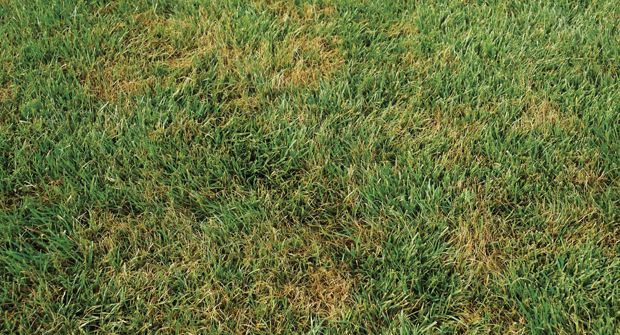
As the first official day of summer approaches this month, so does the hot, humid weather that often exacerbates turf diseases.
It’s the time of year when lawn care operators (LCOs) need to pay extra attention to the condition of their turf, and Pythium blight is no exception.
“Pythium blight is one of the more aggressive summertime turf diseases lawn care operators deal with,” says Nathan Nordstedt, Ph.D., technical services manager for Quali-Pro. “It thrives in hot, humid, wet weather, especially when nighttime temperatures stay warm and turf stays wet due to rain, irrigation or poor drainage.”

Nordstedt says with how quickly it moves and how damaging it can be, Pythium remains as one of the more serious problems an LCO can deal with once it’s established, meaning preventative measures and a keen eye are key.
Go with the flow
Water movement is a crucial factor in spreading Pythium blight, such as irrigation and runoff, but the average lawn care activity can also distribute the disease. Foot traffic, mowing and other turf equipment can all spread the patches to new areas.
Nordstedt says perennial ryegrass and annual bluegrass are usually the most susceptible to Pythium blight, but harsh conditions and severe pressure can result in both cool- and warm-season turf types being affected.
“Symptoms show up during those stretches of hot, humid weather in mid-to-late summer. Operators often notice small greasy-looking patches that can rapidly collapse into brown, blighted areas,” he says. “Turf can go from healthy to severely damaged almost overnight under ideal conditions. In the morning, you may also see cottony white growth on infected turf when humidity is high.”
And with summer being the most common time for turf diseases to appear, proper identification is crucial when trying to differentiate it from similar problems like brown patch and dollar spot.
“Pythium blight symptoms tend to look more water-soaked and greasy, and it spreads much faster,” Nordstedt says. “In warm-season grasses such as bermudagrass, symptoms can first appear as black or purple spots that resemble leaf spot diseases. The white, cottony mycelium in the morning can be a major giveaway for Pythium blight.”
Pythium prevention
Pythium blight isn’t easy to control, especially once symptoms ramp up, so Nordstedt instead recommends taking the path of preventative measures. Water management in the lawn, for example, is a key factor for LCOs to consider.
“Avoid overwatering, water early in the morning to reduce long periods of leaf wetness and improve drainage wherever possible,” he recommends.
Fast action can also save time and money with how quickly the disease moves, so keeping up with weather patterns and monitoring high-risk jobsites often makes the difference between spotting the problem early or fighting for control afterwards.
“From a fungicide standpoint, preventative applications ahead of hot, wet weather are usually the best approach,” Nordstedt says. “Active ingredients like mefenoxam, cyazofamid, propamocarb and phosphites can all be very effective tools when used preventatively.”
On the plus side of things, like almost every turf problem out there, Pythium blight has a much harder time infecting strong, healthy turf, instead popping up more frequently in vulnerable patches. So, as long as LCOs stick to the fundamentals, this disease will hopefully be infecting elsewhere.
“Excessive nitrogen, poor drainage, compaction and overwatering all increase risk,” Nordstedt says. “In many cases, strong cultural practices are just as important as the fungicide program itself.”