 SUBSCRIBE


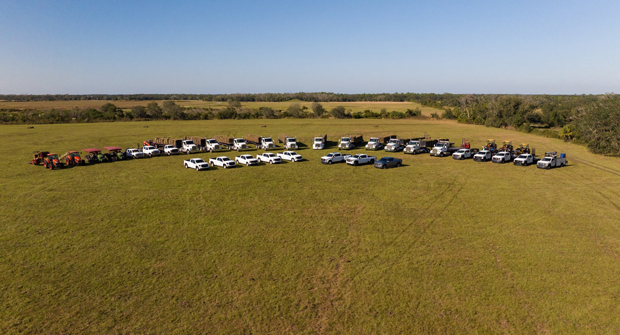
In landscaping, sod is often treated as a commodity. If it’s green, delivered on time and priced competitively, the box is checked, and the project moves on. But across Florida and other high-growth regions, that mindset is starting to show cracks.
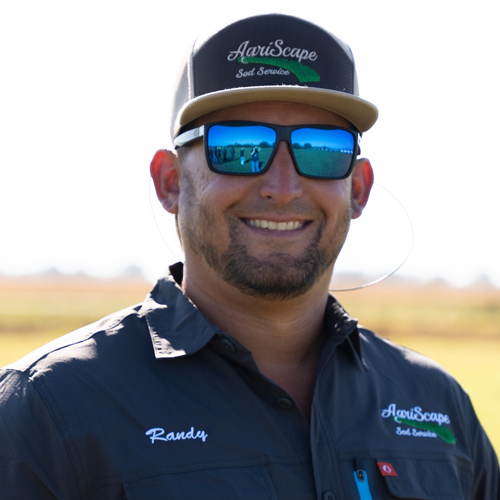
As developments scale larger, timelines compress and environmental conditions grow more unpredictable, the relationship between sod farms and landscape contractors is becoming just as important as the product itself. Farm-fresh sod and strong contractor partnerships are no longer “nice to have.” They are quickly becoming the foundation for landscapes that last.
Sod is not a finish line, it’s a system
For decades, landscaping has been viewed as the final step in construction. The structures go up, utilities are installed and sod rolls out at the end to make everything look complete. But sod doesn’t operate in isolation. Its performance depends on soil prep, harvest timing, transport logistics, installation practices and follow-through.
When any part of that chain is rushed or disconnected, the landscape suffers. Root systems struggle to establish. Water retention becomes inconsistent. Maintenance costs rise, and what looked finished on day one becomes a recurring problem by year two.
Farm-fresh sod matters because freshness directly affects root viability, moisture retention and how well turf adapts once installed. But freshness alone isn’t enough. It must be paired with coordination, communication and accountability between everyone involved.
Scale drives transformation
What works for a single residential lawn does not automatically translate to a 200-home subdivision, a commercial campus or a public infrastructure project. At scale, landscaping becomes an operational challenge as much as a design one.
Sod harvesting must align with installation windows. Delivery fleets must be reliable and consistent. Crews need to understand soil conditions, weather patterns and site sequencing. When farms, contractors and installers operate in silos, even high-quality sod can fail.
Strong contractor relationships bridge that gap. When landscape contractors work closely with sod providers who understand their schedules, constraints and regional conditions, projects run more smoothly and outcomes improve. Problems are anticipated instead of reacted to, and decisions are made with long-term performance in mind rather than short-term appearance.
Reliability is the real differentiator
In a tight construction market, reliability has become one of the most valuable assets a sod provider can offer. Contractors need partners who show up prepared, communicate clearly and deliver consistently, even when weather, labor shortages or logistics complicate the job.
Farm-fresh sod delivered late or installed without coordination loses its advantage quickly. On the other hand, sod that is harvested, transported and installed as part of a coordinated plan performs better, establishes faster and reduces callbacks.
This is where long-term relationships matter. Contractors who trust their sod partners can plan with confidence. Sod providers who understand their contractors’ needs can adjust harvest schedules, staging and delivery to support the project instead of disrupting it.
Rising environmental expectations
Sustainability is no longer just a buzzword. Communities, municipalities and developers are paying closer attention to water usage, erosion control and long-term landscape health. Sod plays a critical role in all three.
Fresh, properly handled sod establishes faster, reducing runoff and erosion. Healthy root systems improve soil stability and water efficiency. But these benefits only materialize when installation practices align with agronomic realities.
When contractors and sod providers collaborate early, they can select appropriate turf varieties, prepare soil correctly and time installation to maximize success. This approach reduces waste, improves environmental outcomes and lowers long-term maintenance demands.
Moving from transactional to strategic
The future of landscaping lies in moving beyond transactional relationships. Ordering sod shouldn’t feel like buying materials off a shelf. It should feel like engaging a partner who understands the land, the project and the expectations attached to both.
Contractors who invest in strong relationships with farm-fresh sod providers gain more than a product. They gain insight, consistency and accountability. Sod providers who invest in those relationships elevate their role from supplier to solution.
As projects grow larger and expectations rise, this shift isn’t optional. It’s necessary.
When sod is treated as part of a system rather than a finishing touch, everyone benefits. Contractors deliver better results. Communities inherit stronger landscapes. And the industry moves forward with higher standards and greater accountability.