 SUBSCRIBE


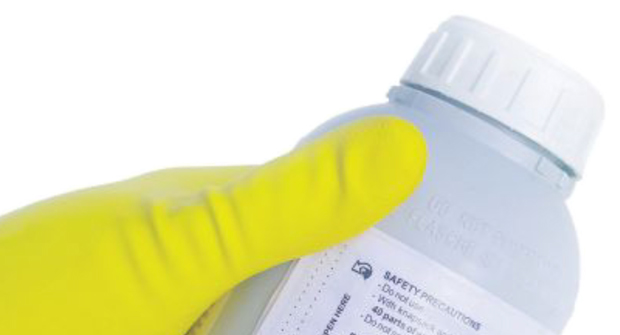
Lawn care operators and turfgrass managers rely on pesticides to control weeds, insects and diseases. Every effective application starts with one critical step — understanding the label.
Many applicators scan labels only for mixing rates. That approach leads to mistakes. The pesticide label is a legal document that explains how to use a product safely and effectively. When you use a pesticide inconsistently with its label, you violate federal law.
The pesticide label — comprising all information on or attached to the container — is your primary operational guide. It tells you how to apply the product correctly while protecting applicators, clients, pets and the environment.
For turf professionals, the label serves as both a technical guide and a compliance requirement. Understanding it fully allows you to make better decisions before, during and after application.
Know what product you’re using
Always identify your product before use. While the trade (or brand) name appears prominently, the common name of the active ingredient matters just as much. Different products may contain the same active ingredient under different brand names, so this section helps you compare options and avoid duplication in your program.
The label also provides the manufacturer’s contact information and net contents, which help with product support and inventory management.
Two Environmental Protection Agency numbers provide important background information:
- The EPA registration number confirms that regulators have evaluated and approved of the product.
- The EPA establishment number identifies the manufacturing facility, which helps trace issues if they arise.
While these numbers don’t guide application directly, they confirm product legitimacy and traceability.
Understand what’s in the container
The ingredients statement tells you exactly what you are applying. It lists the active ingredient(s) and their concentration. This information helps you determine correct application rates, compare products with similar chemistry and rotate modes of action to manage resistance.
For turf managers, this section plays a key role in building effective and sustainable pest management programs.
A critical component of this process is the ability to interpret signal words and safety language. The signal word quickly communicates the product’s toxicity:
- DANGER–POISON: highly toxic
- WARNING: moderately toxic
- CAUTION: slightly toxic
Precautionary statements explain how exposure can occur (through skin, eyes, inhalation or ingestion) and specify required personal protective equipment (PPE). At a minimum, wear long sleeves, long pants and chemical-resistant gloves when handling pesticides. Many labels require additional protection depending on the product. Every label also includes a “Keep out of reach of children” statement.
Environmental and use restrictions
Labels highlight environmental hazards, including risks to bees, aquatic organisms and wildlife. These warnings matter in lawn care, especially when treating flowering weeds or areas near water.
Some products carry a Restricted Use Pesticide (RUP) designation. Only licensed applicators, or those under their supervision, may apply these products. Even with general-use pesticides, you must follow all label directions.
The “Directions for Use” section drives your application decisions. It specifies target pests and approved turf sites, application rates, timing and mixing and equipment requirements. It also includes the reentry interval (REI), the time you must wait before entering treated areas without protective equipment.
Understand the label at every stage
Understanding the label is not a one-time task. Review it at each stage of use:
- Before purchase, confirm the product fits your target pest and site.
- Before mixing, check rates, PPE and compatibility.
- Before application, review timing and restrictions.
- Before storage and disposal, follow safety and handling requirements.
When you take time to interpret the pesticide label — not just read it — you make better decisions, reduce risk and improve outcomes.