SUBSCRIBE


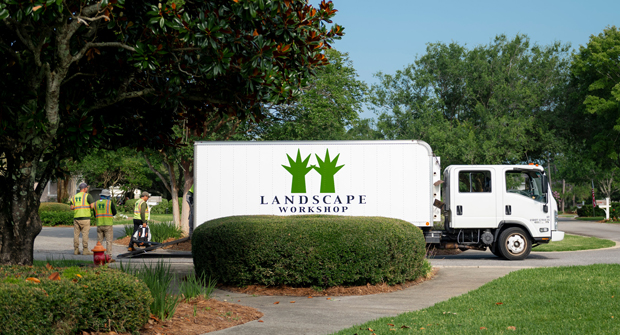
Companies must continue to evolve and adapt to grow in the green industry, something Landscape Workshop puts into practice each day.
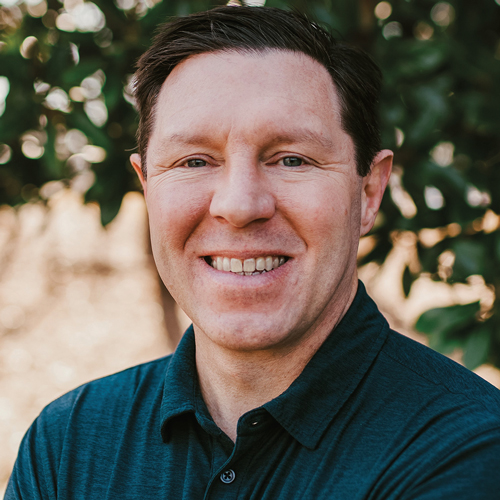
With 49-percent revenue growth from 2024 to 2025, Landscape Workshop landed at No. 24 on Landscape Management’s 2026 LM150 listing of the industry’s top revenue-generating firms. The company provides commercial landscape maintenance, turf/ornamental care, design/build, irrigation and tree care services. Headquartered in Mountain Brook, Ala., Landscape Workshop operates in 16 states with physical branches in 14 states, says J.T. Price, CEO.
Landscape Workshop has been focusing on organic growth and expanding through acquisitions, with most of its current growth coming from acquiring smaller commercial landscape companies, says Price, who joined the company’s leadership team in 2014.
“One of the places where we are distinctive is in our ability to quickly and efficiently move from signed LOI to closed deal — and our 11-person team that focuses on integrating our new colleagues into Landscape Workshop’s systems and culture,” Price says.
Constantly learning
While acquisitions have always been an important part of Landscape Workshop, Price says the difference now is that the company has more experience, team members and access to capital following their 2025 partnership with their private equity sponsor, Ares Management.
“Every time we do a deal, we learn something,” Price says. “Those learnings compound over time to make us a better partner to acquired companies and their team members.”
The company also updated its systems to make them simpler for front-line managers. Price notes that they used to share too much data, which caused overload.
Programs that pay off
One challenge Landscape Workshop has faced is ensuring it doesn’t dilute its performance culture as the company scales. To overcome that obstacle, it communicates its values and culture with the team, provides transparency and meets in person with every general manager twice a year and with account managers once a year.
“I think we are going to live and die with our talent and the culture that talent operates in,” Price says. “Making sure we have the best people and protect our culture is my core responsibility as CEO, closely followed by making sure we are operating in a way that allows us to have success over the long term and not just the short term.”
Landscape Workshop started a shared prosperity program with the nonprofit group Ownership Works. This plan lets every worker own a part of the company and share in its financial success.
The company is also rolling out its field manager performance program and hopes to have it in all branches by the end of the year. The program allows their crew leaders who “have a good day” to be measured objectively to receive incremental daily payments.
“This industry is incredibly people-intensive, and the ability to effectively manage both a managerial workforce and an hourly workforce is critical to succeed,” Price says.
Landscape Workshop relies heavily on the H-2B program for recruiting seasonal labor and continues to evolve and develop its benefits package and financial incentives to retain team members.
To grow a company, Price says it’s important to balance being a great place for high performers to work, making customers happy and being profitable. “There are no shortcuts, and you can’t get complacent, even when you are winning,” he says.