 SUBSCRIBE


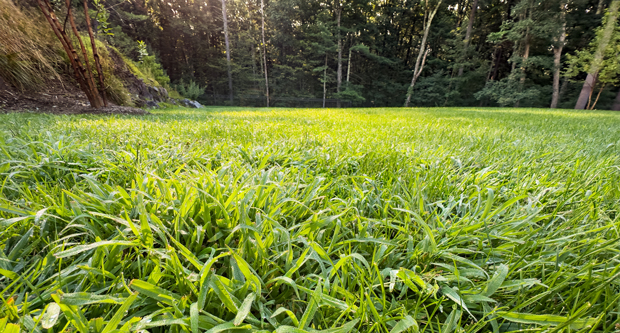
One of the best lessons in weed management is also the simplest: It’s much easier to prevent weeds than it is to control them after they start growing.
Lawn care professionals usually associate preemergent herbicides as a spring-only application for crabgrass prevention. In reality, preemergents are one of the most versatile tools in a lawn care operator’s arsenal and provide value throughout the year in both lawns and landscape beds.
Understanding how and when to use preemergents helps operators reduce weed pressure, improve efficiency and deliver cleaner properties for their customers.
What exactly is a preemergent herbicide?
Preemergent herbicides don’t kill existing weeds. Instead, they create a protective barrier in the upper layer of the soil that prevents susceptible weed seedlings from establishing after germination.
This is why timing is so important. Once weeds have emerged and become established, preemergent herbicides have already missed their opportunity to be effective.
Think of preemergent herbicides as setting the stage for the entire season. The fewer weeds that successfully establish, the fewer the postemergent applications and callbacks later in the season.
Preemergents are not just for lawns
When most people hear “preemergent,” they immediately think of spring crabgrass control in turf. While crabgrass prevention is important, preemergent herbicides can be equally valuable in landscape and ornamental beds.
Landscape beds often contain bare soil, mulch layers and sunny locations that create ideal conditions for weed establishment. Once weeds emerge, they detract from the appearance of a property and require costly hand weeding or additional herbicide postemergent spray applications.
Applying a preemergent herbicide to landscape beds can dramatically reduce the emergence of many annual grassy and broadleaf weeds, helping maintain cleaner, more attractive beds throughout the season.
For lawn care companies looking to expand their service offerings, weed prevention in landscape beds can be a natural extension of existing programs, create additional revenue opportunities and provide an excellent opportunity to add value to customers.
Don’t forget about fall applications
Another common misconception is that preemergent applications only belong in the spring. For warm-season lawns, fall applications are often just as important.
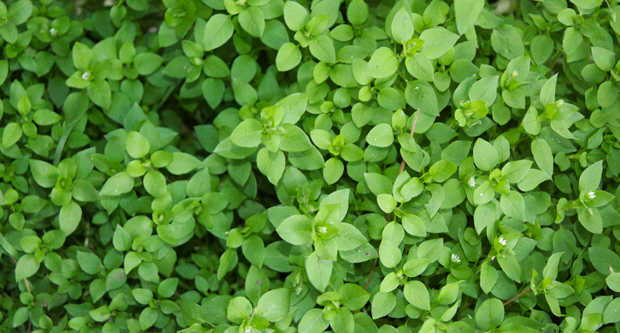
Many troublesome winter annual weeds, including annual bluegrass (Poa annua), chickweed, henbit and other cool-season broadleaf weeds begin germinating as soil temperatures cool in late summer and fall. By the time these weeds become visible during winter or early spring, they are already established and competing with desirable turf. Fall preemergent applications help prevent these weeds from establishing.
Annual bluegrass in particular can create significant management challenges in warm-season turf. Its prolific seed production means that even small infestations can quickly become much larger annual bluegrass populations in future years. Preventing establishment in the fall is often one of the most effective long-term management strategies available.
Choosing a flexible preemergent solution
The most effective weed prevention programs combine broad-spectrum control with application flexibility. Products that contain multiple modes of action provide expanded control of both grassy and broadleaf weeds while helping simplify application programs. Having access to both liquid and granular formulations also allows operators the ability to select the application method that best fits their equipment, labor availability and customer needs.
Building a foundation with Prodoxaben Herbicide
Prodoxaben was developed with flexibility in mind. Prodoxaben is available in both liquid and granular formulations and combines two complementary modes of action to provide broad-spectrum preemergent control of more than 150 troublesome grassy and broadleaf weeds in both turf and landscape settings.
Its application site versatility allows operators to implement a consistent weed prevention strategy across multiple areas of a property rather than relying on different products for lawns and ornamental beds.
In the spring, Prodoxaben can help prevent the establishment of weeds like crabgrass before they become visible. In the fall, it can serve as an important tool for reducing winter annual weed pressure in warm-season turf and maintaining cleaner landscape beds heading into the following season.
In a yearly application program, successful weed management is about staying ahead of the problem. Preemergent herbicides remain one of the most effective ways to stay ahead of weed infestations. Lawn care operators who utilize Prodoxaben can build year-round weed prevention programs that improve efficiency, reduce callbacks and deliver consistently cleaner properties for their customers.