 SUBSCRIBE


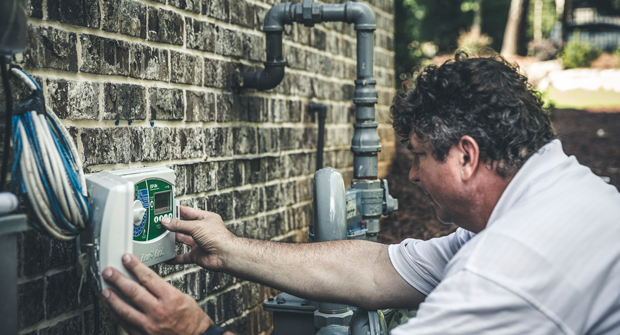
Water management is no longer a back-of-mind issue for property owners. Between rising utility costs, increased scrutiny around water use and growing sustainability expectations, clients are asking tougher questions about how landscapes are maintained and whether irrigation is being managed efficiently.

That’s where smart irrigation controllers present landscape contractors with an opportunity to address those concerns while opening the door to stronger customer relationships.
Smart controllers use weather data and site conditions to automatically adapt irrigation schedules to meet plant water needs. This reduces water waste and promotes a healthier landscape compared to a fixed watering schedule that doesn’t account for rainfall or temperature variations.
The key to selling smart controllers requires translating those features into outcomes. Property owners care less about evapotranspiration rates and more about lower water bills, healthier landscapes and fewer headaches. By demonstrating the benefits, contractors can turn water efficiency into revenue growth.
Use audits to uncover opportunity
The most effective way to sell smart controllers is to begin with a site evaluation. Conducting an irrigation audit allows contractors to document inefficiencies, such as mismatched precipitation rates, outdated programming or signs of chronic overwatering.
Presenting clients with real data, including estimated water waste and potential savings, transforms the conversation from a sales pitch into a professional recommendation. Visual reports, before-and-after comparisons and projected return on investment help decision-makers justify the upgrade.
Calculate the long-term savings
With audit data in hand, the next step is to demonstrate the long-term financial return to the customer. While there is an upfront investment for smart controllers, contractors can help customers understand the savings potential by calculating projected water reductions.
A simple formula can frame the discussion:
Irrigated area × cost per gallon × gallons reduced = potential savings.
Smart controllers automatically adjust to weather, cutting unnecessary watering to lower utility bills. They also boost operational efficiency, reduce service calls and help contractors stand out in a competitive market
Emphasize control and convenience
Smart controllers can provide remote site management through mobile applications, eliminating manual inputs at the controller.
This added accessibility provides peace of mind. If rain is forecast or unexpected weather occurs, schedules can be adjusted quickly without an on-site visit. When coupled with an on-site rain sensor, customers no longer must worry about systems running during or after rainfall events, which can waste water and create landscape health issues.
Align with evolving regulations and sustainability goals
Positioning smart technology as a way to future-proof properties against tightening regulations can resonate strongly with commercial property managers and homeowners.
Smart technology also aligns with customers’ environment, social and governance (ESG) goals, as documented water savings strengthen their sustainability commitments.
Present upgrades as growth
Smart controllers can be incorporated into both new installations and existing systems, creating multiple touchpoints for service opportunities. For new builds, they can be positioned as a standard best practice rather than an optional add-on. For existing clients, they offer a natural upsell opportunity during seasonal maintenance, renovations or system retrofits.
Successful sellers educate customers on how the potential for savings, regulatory alignment and operational efficiencies are investments rather than expenses.
As water conservation shapes the industry, smart irrigation is becoming standard. Contractors who lead with data and long-term value are better equipped to meet evolving client expectations.
Oster is the senior category manager for SiteOne Landscape Supply. He can be reached at TOster@siteone.com.