In 2026, the landscaping industry will be reshaped by technological advancements, shifting labor dynamics and increasing client expectations. The companies that thrive won’t be the ones that adjust; they’ll be the ones who disrupt.

Disruptors write the rules
In January 2025, my company made the leap to go fully electric with Kress equipment for our maintenance division. That one move changed everything.
Soon after, one of the homeowner associations we maintain went out to bid but added a twist. This time, the RFP required that all bidders provide 100-percent electric services. Their covenants, conditions and restrictions (CC&R) and fiduciary policies required them to solicit bids, but due to the electric requirement, our competition dropped off quickly. We didn’t win by lowering the price; we won by rewriting the rules.
That’s disruption in action. When you move early and build the model of the future, everyone else has to catch up.
Disruption is a muscle
Disruptors don’t chase shiny objects; they build change into their DNA. That means constantly evolving, then simplifying what works so it can scale.
At K&D Landscaping, we’ve made a couple fundamental shifts over the years to evolve quickly. For example:
- We elevated from a traditional “core values” model to something more robust, which we call The K&D Way: 30 fundamentals that guide how we lead, serve and grow. Things like “speak straight,” “practice blameless problem solving” and “have each other’s backs.”
- Most recently, we changed our operating system from the Entrepreneurial Operating System (EOS) to Leanscaper. That wasn’t just a tweak; it was a core rewire of how we run our business. It’s working because we’ve trained our team to embrace change, not fear it.
Why most companies struggle with change
Here’s the truth: Most companies aren’t wired to change. They centralize decisions at the top. They avoid risk. They protect legacy systems and outdated norms. And when challenged, they will often say, “But we’ve always done it that way.”
But in a world where speed matters, that mindset is dangerous. Disruptors do the opposite:
- They decentralize decision-making to increase velocity.
- They create a culture where experimentation is safe and expected.
- They focus on innovation, not preservation.
The new face of the landscape industry
Three forces are reshaping the landscape industry. If you’re not already adapting to these, now is the time:
1. AI is changing how we sell, schedule and make decisions. From estimating to client communication, AI tools are becoming the new backend engine.
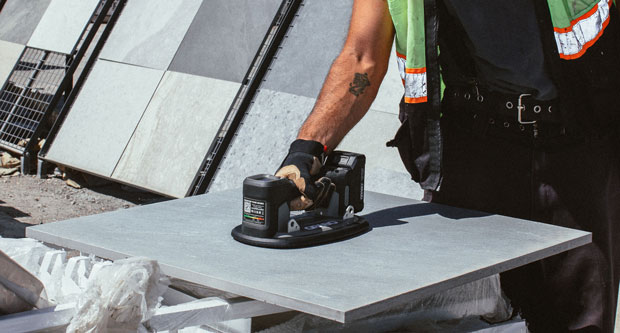
2. Battery-powered equipment is no longer a compromise. Performance now rivals gas, and the environmental benefits are tipping the scales in client conversations.
3. Robotics is arriving faster than expected. Especially on large maintenance sites, autonomous equipment is set to change the labor equation.
It’s not that one of these new technologies will shift the industry on its own. It’s the fact that all three of them are advancing together that is giving birth to the greatest disruptive event we have ever seen.
The future belongs to those who experiment
If your systems, structure or model were built for yesterday’s market (and most were), it’s time to rethink them. Take these three actions this week to determine where you and your company stand:
1. Audit your model. Is your current business model built for the next five years or just surviving today?
2. Pick one technology to test. Whether it’s battery, AI or automation, start experimenting in a small, measurable way.
3. Empower a team to lead change. Build a cross-functional “innovation group” to own your next big evolution.
At K&D, we’re still evolving. That’s why I launched The Disruptors, an online community for landscapers serious about leading the next chapter of our industry. It’s where we share strategies, test ideas and challenge each other to think differently.
And in 2026, the disruptors will be the ones who win.