As many lawn care operators (LCOs) know, turf troubles are always evolving. Whether it’s invasive species, changing climates or adapting weeds, no two seasons in turf management are quite the same.

Weather is one of the biggest factors when it comes to the problems LCOs face, and it plays a huge role in how the day, month and even season goes when you’re on the job.
Jason James, owner of Turf 212 in Greenville, S.C., says each year feels a little warmer, which results in certain weeds and problems sprouting out of the ground more prevalently than before. For example, in warmer, dry conditions, weeds such as goosegrass and nutsedge can really take over.
“I think goosegrass is the new crabgrass,” James says. “Crabgrass is pretty easy to take care of — goosegrass is the new issue.”
And from conversations he’s had with other industry friends, James says he’s not alone in dealing with these more prevalent pests. He’s heard that further south toward Columbia, S.C., and below, the warmer weather is causing similar problems.
“When you go 45, 60, 90 days without rain, that’s when you’re going to start to see a lot of stuff,” James says. “It’s been getting pretty bad, probably the last two to three years. Especially where we live, it’s gotten pretty bad.”
Know the foe
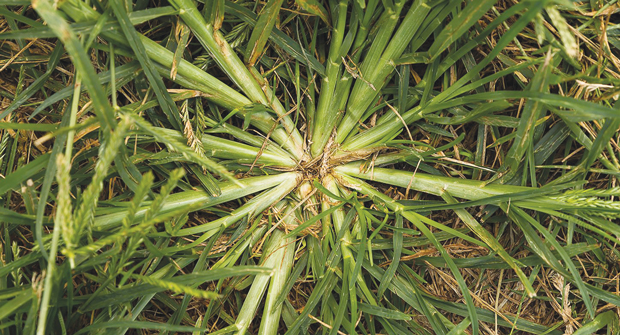
When it comes to goosegrass, it’s flat, matted to the ground, and it has a thick, whiter root system with stems that look similar to a wagon wheel.
As a control measure, James says preemergents with prodiamine or dithiopyr applied around early spring are an industry staple. For a budget tip, James says he specifically uses RightLine dithiopyr to save some money.
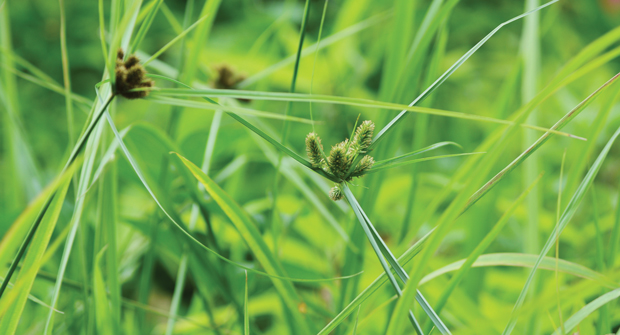
As for nutsedge, it’s a bit trickier. Nutsedge is a particularly difficult weed to control, meaning having it grow in prevalence can mean trouble for LCOs. It has two common varieties: the yellow variant, known for being taller and more cold-tolerant, plus its purple counterpart, which hangs around in warmer climates.
Common control options for nutsedge include the active ingredients halosulfuron, sulfentrazone or imazaquin. Staying with the RightLine theme, James says he uses RightLine sulfencore as a budget option for sedges, and it can also target goosegrass as well.
Stay informed
As new problems sprout up more regularly, not every LCO will be familiar with what to do, so James says it’s important to reach out to trusted partners to get help and learn the basics.
“I think everybody needs to just do your research,” James says. “If you don’t know an answer to a question, the best thing is just to ask someone who knows. Don’t just guess.
“A lot of your smaller LCO companies have decided to take it upon themselves and just start helping each other out, because that’s what we’re going to try to do down here in South Carolina,” he says.