
One Saturday morning, a homeowner proudly told me about their new “organic lawn.”
They had invested in corn gluten meal, overseeded in the fall and skipped the usual herbicides. By May, the grass looked lush and green. By August, crabgrass crept in, clover dotted the turf and their kids complained about tripping on patchy spots while playing soccer in the backyard. They sighed and said, “We thought going organic meant the lawn would look just as perfect, just safer.”
This story isn’t unique. Across the country, more clients are asking for organic programs because they want safer landscapes for their families, pets and communities. Municipalities are also passing restrictions on pesticides, which means landscapers need to adapt, whether they’re ready or not.
Organic turfgrass management can absolutely deliver beautiful, resilient lawns. But too often, contractors and homeowners fall into the same traps. After studying organic and conventional turfgrass management for several years in Maryland, I’ve seen the strengths and the pitfalls. Here are four mistakes to avoid and how to set lawns up for success.
Mistake No. 1: The corn gluten trap
Corn gluten meal is often sold as the organic answer to preemergent herbicides. In theory, it prevents weeds like crabgrass. In practice? It doesn’t. My research showed crabgrass still broke through organic plots that relied on corn gluten meal, especially under heavy use. It functioned more like a nitrogen source than a weed barrier. As one turf manager told me, “If corn gluten really worked like an herbicide, every contractor would be using it.”
Why this matters to contractors. When contractors recommend corn gluten meal as a weed control solution, they risk losing client confidence once the weeds inevitably show up. Homeowners often expect chemical-level results, and when they don’t see them, they may conclude that the contractor “didn’t do the job right.” This can damage trust and even push clients away from organic programs entirely.
A better approach. Use corn gluten as a fertility supplement, not your main weed-control tool. Then, pair it with overseeding to create denser turf that naturally shades out weeds. And set clear expectations that it won’t replace chemical herbicides.
Mistake No. 2: Timing fertility wrong
Organic fertilizers don’t behave like their synthetic counterparts. With synthetics, you can apply in late spring and see almost immediate greening. Organic sources rely on microbes breaking down the material before nutrients are available. This biological process is slower and heavily influenced by temperature and soil conditions.
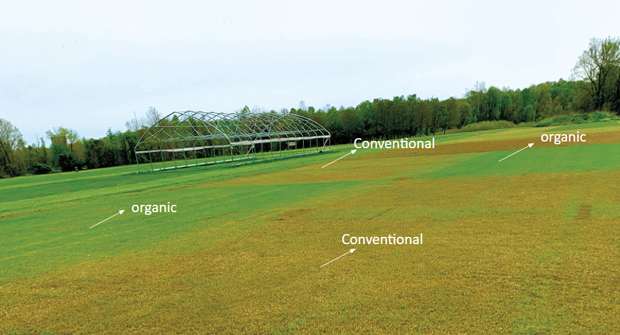
That means timing matters more than ever. Apply too late, and by the time the nutrients are available, turf is already under stress from heat, weeds or foot traffic. Apply too little, and the lawn will struggle to compete with aggressive summer weeds. In my study, organic programs actually produced better spring turf quality because nitrogen was applied earlier, giving grass a head start. By summer, though, turf sometimes lagged without well-timed follow-ups.
Why this matters to contractors. Clients notice timing issues quickly. A lawn that looks fantastic in May but weak and patchy by July leads to phone calls, complaints and a loss of trust. Landscapers who don’t adjust their fertility timing risk not only the lawn’s health, but also their reputation.
A better approach. First, apply organic fertilizers earlier in spring than synthetic programs. Use blends of feather meal, kelp or blood meal to stagger nutrient release. And monitor turf color and density closely; add compost teas or light topdressing when growth slows.
Think of it like slow cooking; start early, and you’ll have something rich and satisfying later.
Mistake No. 3: Overpromising weed-free lawns
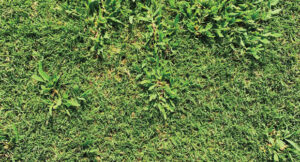
This is the mistake that causes the most client frustration. Too often, “organic” is sold as a guarantee of perfection. But perfection isn’t realistic. My study found that clover and crabgrass did show up in organic turf. Clover, however, had little impact on turf quality and actually enriched the soil by fixing nitrogen. Crabgrass was more noticeable but didn’t make turf unusable.
Why this matters to contractors. Clients tend to measure lawn quality visually. They see one patch of crabgrass and think the program has failed. If you’ve promised a “perfect” lawn, you’ve set yourself up for conflict. Worse, the client may abandon organic management altogether and return to chemicals out of frustration.
A better approach. Be upfront with customers: Organic lawns will likely include some clover or crabgrass. Frame clover as a “feature;” it’s green, hardy and helps soil health. And emphasize the benefits — organic approaches are safer for kids, pets and pollinators.
Clients usually prefer a safe lawn with a few clover flowers over a “perfect” lawn treated heavily with chemicals. To ensure this mindset, client communication is key. Contractors who educate instead of oversell will build stronger, longer-lasting relationships.
Mistake No. 4: Forgetting lawns are for living
A lawn isn’t just something to look at. It’s where kids kick soccer balls, families play catch and dogs run full speed. One big mistake in organic turf management is focusing only on color and weeds while ignoring how the lawn feels underfoot. A yard that looks green but is uneven or hard can cause scrapes, falls or sprains.
The good news? My research found no difference in surface safety, hardness and strength between organic and conventional turf. With good practices, organic lawns are just as safe.
Why this matters to contractors. At the end of the day, homeowners don’t just pay for green color; they pay for peace of mind. If kids are tripping, pets are tearing up bare spots or guests can’t comfortably walk barefoot, the contractor hasn’t delivered on what truly matters. Focusing only on aesthetics risks misses the bigger picture that lawns are meant to be lived on, not just admired. Contractors who prioritize playability and comfort stand out as trusted partners, not just service providers.
A better approach. Aerate, overseed and manage irrigation to keep turf soft and even. Pay attention to high-traffic zones like those near patios or play areas. And remind clients that the goal isn’t just green; it’s green and safe. As one contractor put it, “A little clover won’t hurt anyone, but a compacted lawn will.”
Getting started
Organic turfgrass management isn’t about chasing perfection; it’s about creating lawns that people actually live on. The best lawns aren’t judged only by their color, but by the moments they hold, such as kids running through sprinklers, dogs rolling in the grass or families gathering barefoot on a summer evening.
The good news is that organic practices can support all of this if they’re done with the right expectations and strategies. By avoiding the common mistakes of relying too heavily on corn gluten, mistiming fertilizers, overpromising weed-free perfection or overlooking livability, contractors and homeowners can unlock the real benefits of organic turf — resilient grass, healthier soil, safer spaces and happier clients.
So where should you start? Begin small. Apply organic fertilizers earlier this spring and watch how turf color improves. Overseed thin areas in the fall to crowd out weeds naturally. Talk openly with your clients about what organic can and can’t deliver. And never forget that the heart of every lawn isn’t just grass, but the people and pets who use it.
Landscapers who master this balance today won’t just grow better lawns; they’ll grow stronger businesses built on trust, health and the simple joy of a lawn that lasts.