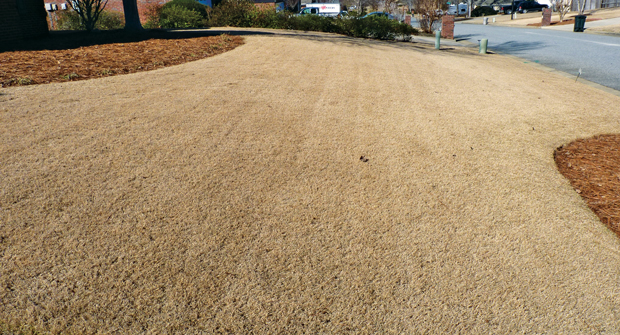
You’ve probably heard it at least a few times from customers, family members or really anyone not too familiar with the turf industry — they think the main part of the job is helping people eliminate the weeds infiltrating their yards. 
And to be fair, it is a large part of being a lawn care operator (LCO), but there’s a whole lot more that goes into the profession than what meets the eye. Most likely, one aspect that doesn’t always spring to peoples’ minds is that a good LCO can help remove weeds before they even sprout up.
To get this level of control, and to set up a lawn for success down the road, there are a few chemical and practical options LCOs have at their disposal. With a bit of advice and experience, lawn pros can quickly find what works the best and reduce the number of calls from customers complaining about their weeds.
Practical control
Roger May, Ph.D., director of technical operations, north, at TruGreen, says one of the biggest ways to prevent weeds is a thick, healthy turf. He explains that a well-maintained lawn can out-compete weeds for space and resources on the ground, making proper maintenance one of the most important steps to future success and peace of mind.
“Although preemergents are a great tool for preventing weeds, nothing reduces weed populations better than a thick, well-maintained turf,” he says. “This means proper fertilization, watering and mowing. I prefer the second approach because even the best preemergent strategy will have its flaws if the turf is thin or improperly mowed.”
He adds that knowing the type of grass you’re working with is also a big factor in keeping out weeds. For bunch-type grasses such as tall fescue, he says fall overseeding is critical to fill in bare spots since weeds will invade these areas naturally.
Another tool at an LCO’s disposal is mulch, he says, which can be effective at blocking annual weeds with a 2- or 3-inch layer.
“Existing perennial weeds may still be a problem if they aren’t addressed through mechanical or chemical means,” May says on the effectiveness of mulching.
Chemical control
When it comes to chemical options, May says that the timing of preemergent herbicides is everything.
“Apply too early and the active (ingredient) won’t last long enough. Apply too late and weeds will already be emerged,” May says. “Proper tank agitation is (also) a must, especially with prodiamine because it tends to settle out of solution.”
For the northern states, he says preemergent applications should be applied in early spring prior to weed seed germination. Down south, he recommends making these applications from early spring to late summer.
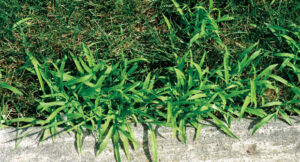
And as for products, May recommends prodiamine solutions in the North followed by dithiopyr, especially if spring comes a bit early. Southern states and warm-season turf markets can also take advantage of late-summer indaziflam applications to help reduce winter annuals.
“A simple way to improve the performance of preemergents is to focus on the edges of hard surfaces when applying,” May says. “Weed pressure will always be higher around heat sources such as concrete and asphalt. Making a solid trim pass along these areas will really pay off once germination starts to occur. It’s very easy to see when applications up to hard surfaces have not been done properly, because that’s where you will find most of the weeds.”
And for his last bit of advice, May says ornamental bed preemergents can also be a useful tool for preventing weeds thanks to the barrier they create on the soil surface.
“Products containing pendimethalin, flumioxazin or indaziflam do a great job depending on the situation,” he explains.