 SUBSCRIBE


Landscaping crews spend a lot of time thinking about equipment. Cut quality, engine performance, attachments and efficiency usually take priority. But there’s an underlying factor that quietly influences it all: tires.

They’re rarely top of mind, but tire performance affects equipment performance, surface wear and how efficiently crews get through the day. For contractors working across a mix of equipment and properties, those effects aren’t always obvious at first. Instead, they show up through added wear or unexpected downtime.
Testing tires in changing conditions
A typical day rarely involves just one type of terrain. Crews might start on a soft lawn, move to a hardscape install, drive across gravel and finish with cleanup using a UTV or trailer. Every jobsite is different, and your tires feel it first.
Softer ground demands flotation and low impact to prevent damage. Hard surfaces require durability and resistance to wear. Mud and uneven terrain call for traction. And when equipment hits the road, tires must manage added load and heat. This leaves contractors constantly balancing traction, durability and surface impact depending on the job.
Early-season conditions make those trade-offs even more noticeable. Wet, uneven ground increases the risk of rutting and slippage, especially when equipment is used too soon. Tire choice directly affects both productivity and turf quality in these situations. More aggressive tread can help maintain traction, but it can also damage sensitive turf. Tires designed for turf spread weight more evenly and reduce surface impact. However, they may struggle in slick conditions.
Tailored traction
For UTVs and skid-steers, switching between soft dirt, gravel and pavement demands versatile tires. The wrong choice risks punctures in rough terrain, poor traction in mud or rapid wear on hard surfaces.
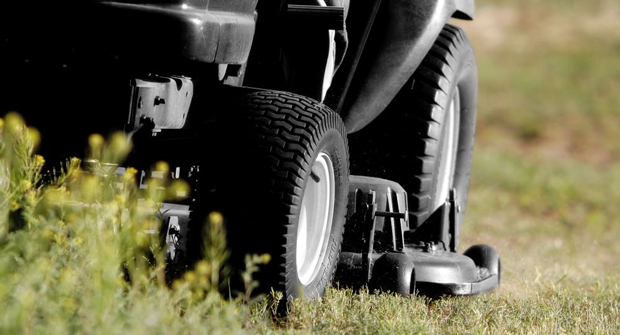
Mower tires prioritize minimizing surface impact and distributing weight evenly to protect turf, which sacrifices traction in wet or uneven conditions.
Trailers introduce another set of challenges. They’re constantly moving equipment and materials between jobsites, often under heavy loads and over long distances. That combination creates heat buildup, which is one of the leading causes of tire failure. These failures can then lead to job delays and even serious safety concerns.
The good news? Many of these issues come back to controllable factors such as improper load matching, low tire pressure or uneven weight distribution.
Common mistakes costing you tire life
Even with the right equipment, small missteps in tire selection and maintenance can create bigger problems. Most tire issues come from how they are used and not the tires themselves.
It’s not unusual for crews to rely on general-purpose or factory-installed tires, even when those options aren’t well suited for the conditions they’re working in.
Basic maintenance is another area where small gaps can create big problems. Tire pressure, for example, plays a direct role in traction, wear and overall lifespan. Both overinflation and underinflation can lead to performance issues. On the transport side, uneven or excessive loading is also a frequent challenge. This is especially common with trailers and can shorten tire life or increase the risk of failure.
Field-ready tires
Avoiding these issues doesn’t require overcomplicating tire selection, but it does require a more intentional approach.
Start by matching the tire to how the equipment is used, rather than relying on a one-size-fits-all option. Conditions, terrain and daily tasks all play a role.
It also helps to recognize that every tire involves some level of trade-off. No single option will deliver maximum performance in every situation; prioritize what matters most for the job at hand.
Regular pressure checks and visual inspections help keep performance steady. Tires, load, terrain and usage all work together; small adjustments across those areas can improve everyday performance.