 SUBSCRIBE


*This article was written and submitted by Alex Straughn, general manager at SFI Topsoil and an active member of Landscape Illinois and CAGC.
In construction, rework is one of the fastest ways to lose both time and profit. While concrete placement, utilities and structural elements receive significant scrutiny, one material is still routinely underestimated: the topsoil.
When soil decisions are rushed or underspecified, the consequences often surface late in the project after seeding fails, plantings decline or inspectors raise concerns.
By that point, crews are remobilizing, schedules are slipping and costs are climbing.
Topsoil may seem like a finishing material, but its performance directly affects project closeout, warranty exposure and owner satisfaction. Contractors who treat soil as a controlled construction material rather than a commodity end up reducing rework, protecting margins and keeping schedules intact.
Why topsoil causes delays
Most soil-related problems do not appear immediately. Turf may look acceptable at installation, only to thin out weeks later. Trees may leaf out, then struggle due to compaction or poor drainage. These failures often trace back to a few common issues including Incorrect soil texture (too sandy or too clay-heavy), insufficient organic matter, elevated salts or improper pH, contamination from unknown source material, excessive compaction during installation and inadequate soil depth after final grading.
Each of these conditions can trigger reseeding, plant replacement, additional grading or even soil removal. Unlike many construction errors, soil failures are difficult to “patch.” The fix often requires undoing finished work, which means lost time and additional labor with no added value to the project.
The cost of rework adds up quickly
Industry studies consistently show that rework consumes a meaningful portion of construction budgets, often ranging from low single digits into double digits depending on project type and complexity. Landscape and site-related rework is particularly disruptive because it tends to occur near the end of the schedule when float is limited and turnover deadlines are approaching.
For contractors, the impacts are tangible and immediate. Soil-related failures often lead to additional labor and material costs as crews are brought back to reseed, regrade or replace plantings. These fixes can push schedules past critical milestones, increasing the risk of extensions or liquidated damages, while also expanding warranty exposure when vegetation struggles after turnover.
Just as important, repeated corrections can strain relationships with owners and designers who expect exterior work to perform as intended. The good news is that preventing this type of rework typically requires only modest upfront effort, clear soil specifications, basic testing before installation and consistent installation practices in the field.
Writing specifications that actually protect the project
One of the most effective tools contractors can use is a clear, enforceable topsoil specification. Vague language such as “approved topsoil” or “suitable for planting” leaves too much room for interpretation.
ASTM D5268, the Standard Specification for Topsoil Used for Landscaping and Construction Purposes, provides a solid baseline for physical characteristics and material consistency. Referencing this standard in contract documents establishes clear expectations for screening, debris limits and material suitability.
Beyond that baseline, projects benefit from clearly defining performance criteria in the specifications. Identifying required soil texture or classification helps ensure proper drainage and root development, while setting minimum organic matter levels supports healthy plant establishment.
Acceptable pH ranges and maximum allowable soluble salts reduce the risk of poor growth or plant failure, particularly in urban environments. Installation depth requirements ensure enough soil volume for roots to thrive, and testing and submittal requirements provide verification before material is placed.
Together, these clear specifications move decision-making out of the field and into the preconstruction phase, where potential issues are far less expensive and much faster to resolve.
Testing: A small step that prevents big problems
Testing is often viewed as optional or excessive, but soil testing is one of the lowest-cost risk management tools available on a project. A basic laboratory analysis can confirm whether soil meets performance expectations before it is installed.
At minimum, testing should address particle size distribution (to confirm texture and stone content), organic matter percentage and pH and electrical conductivity (salts).
For projects using imported soil or material from unknown sources, additional screening for contaminants may be appropriate, particularly in urban or previously developed areas.
Sampling frequency should be clearly defined. Establishing a standard such as one composite sample per set volume of soil creates accountability and avoids disputes after delivery. Testing should occur before widespread installation, not after material is already placed.
In addition to general soluble salt levels, contractors should be mindful of sodium adsorption ratio (SAR), which measures how much sodium is present relative to calcium and magnesium. Elevated sodium can destabilize soil structure, causing particles to disperse rather than bind together.
The result is reduced infiltration, surface crusting, poor drainage and increased compaction. High SAR conditions are most common on urban sites, near roadways, or where de-icing salts have accumulated. Including SAR or sodium screening as part of soil testing helps prevent long-term performance issues that are difficult and expensive to correct after installation.
Soil inspection checklist
Even approved soil can become a problem if it changes between sampling and delivery, so field verification is a critical final checkpoint. At delivery, confirm the paperwork and lab reports match the source, visually inspect the material for consistent texture and any debris or foreign matter, and spot-check piles with a hand auger to catch obvious issues.
Hold any questionable loads until they can be verified, and document every delivery with photos and signed delivery tickets. These simple, quick checks take only minutes on site but can prevent days of corrective work later.
Installation practices that protect performance
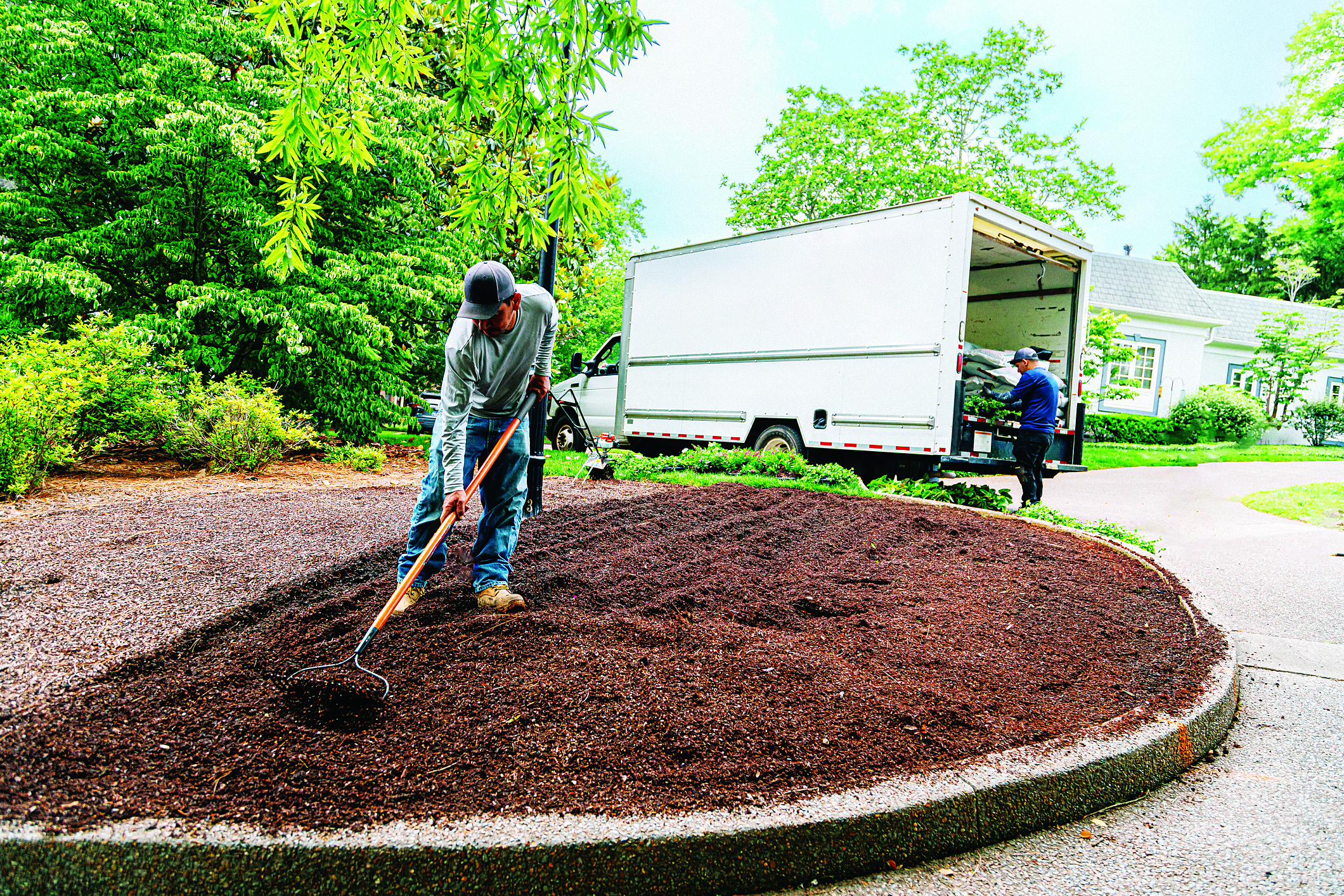
Proper soil installation is as important as material quality. Many failures stem from finished areas being compacted by equipment traffic or from poor sequencing of trades. Maintain the specified soil depth after final grading, limit equipment traffic on finished soil zones, avoid placing topsoil during excessively wet conditions,and coordinate irrigation, seeding and planting schedules so each step supports successful establishment.
Compacted soil restricts root growth and water infiltration, producing weak establishment and long-term performance problems. Once compaction occurs, remediation usually requires mechanical loosening or full soil replacement, both of which are costly and disruptive.
The schedule advantage of getting soil right
When soil performs as intended, downstream activities become far more predictable. Turf establishes on schedule, plantings thrive within warranty periods, and final inspections move forward without site-condition delays.
That predictability translates into fewer change orders tied to landscape performance, reduced punch-list work, cleaner project closeouts and higher owner satisfaction. In practical terms, investing a small amount of time and money in soil verification for specs, testing and proper installation, removes one of the most common causes of late-stage project disruption.
A practical shift in mindset
Topsoil should be treated like any other construction material: specified, tested, documented and installed with intent. Contractors who make this shift see fewer surprises in the field and fewer callbacks after completion.
Soil problems rarely announce themselves early. They surface quietly, late and expensively. By addressing soil decisions upfront during procurement, delivery and installation, contractors can reduce rework, protect profit and keep projects on schedule.