 SUBSCRIBE


Landscapers don’t get enough credit, especially when compared to arborists and tree care professionals.
However, landscapers hold a power that even the most successful tree care professionals would envy: a recurring revenue model. You knock down the grass, and it keeps growing. Trees work a lot differently. What arborists fight to develop and maintain in their typical one-off service world is an afterthought in the world of landscaping. Of course, there’s always a dormant season, but at least the grass continues to grow.
But maybe you’re beginning to worry that you have a one-off service model. Maybe you want to offer tree removal and pruning services. If the training and certification requirements aren’t enough to deter you from starting, the insurance aspects might. You can subcontract out major tree work, but maybe you’ve struggled to forge productive partnerships with the companies in your area. But there’s a simpler option, one that already fits your business model.
It’s difficult to think strategically and creatively under stress. But you can explore a tree care revenue stream without the headache of a big tree service by thinking about three letters — PHC.
Plant health care is a tree-related favorite at arborist conferences, events and webinars. It helps tree care professionals develop a recurring revenue model. You can only cut down a tree once. You can prune it a little more. But you can treat trees over and over. PHC can be a simple service that only becomes more complicated as tree issues escalate.
Again, you can easily add this service line as a landscaper and generate additional revenue, thanks to two factors in your favor: your already-established recurring services and your current certifications.
What makes landscapers prime candidates for offering PHC services is the fact that they already offer recurring services. For instance, if you visit a yard every week or two within the growing season and return in the fall for leaf removal or pruning, you already have insights that many arborists may not have because you can keep tabs on how your clients’ trees are responding and changing.
If you have a tree treatment program, then you will be privy to the tree’s response. This is knowledge and insight you can’t buy. Placing your eyes on a tree constantly aids you in becoming a better investigator of tree issues and can help you confidently explain to your client the right course of action and how a particular plant health care product will affect their tree. You can forge deeper relationships with your clients while creating more attractive service offers to beautify their yards further.
Also, you may already have the applicable licenses, and you may have some of the equipment to get started. Watering, mulching, soil decompaction and some biostimulants may not need an applicator’s license, so you may be good on that front. Still, it’s always best to check with your state’s department of agriculture.
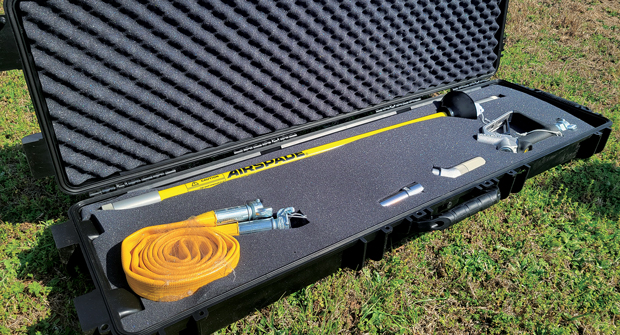
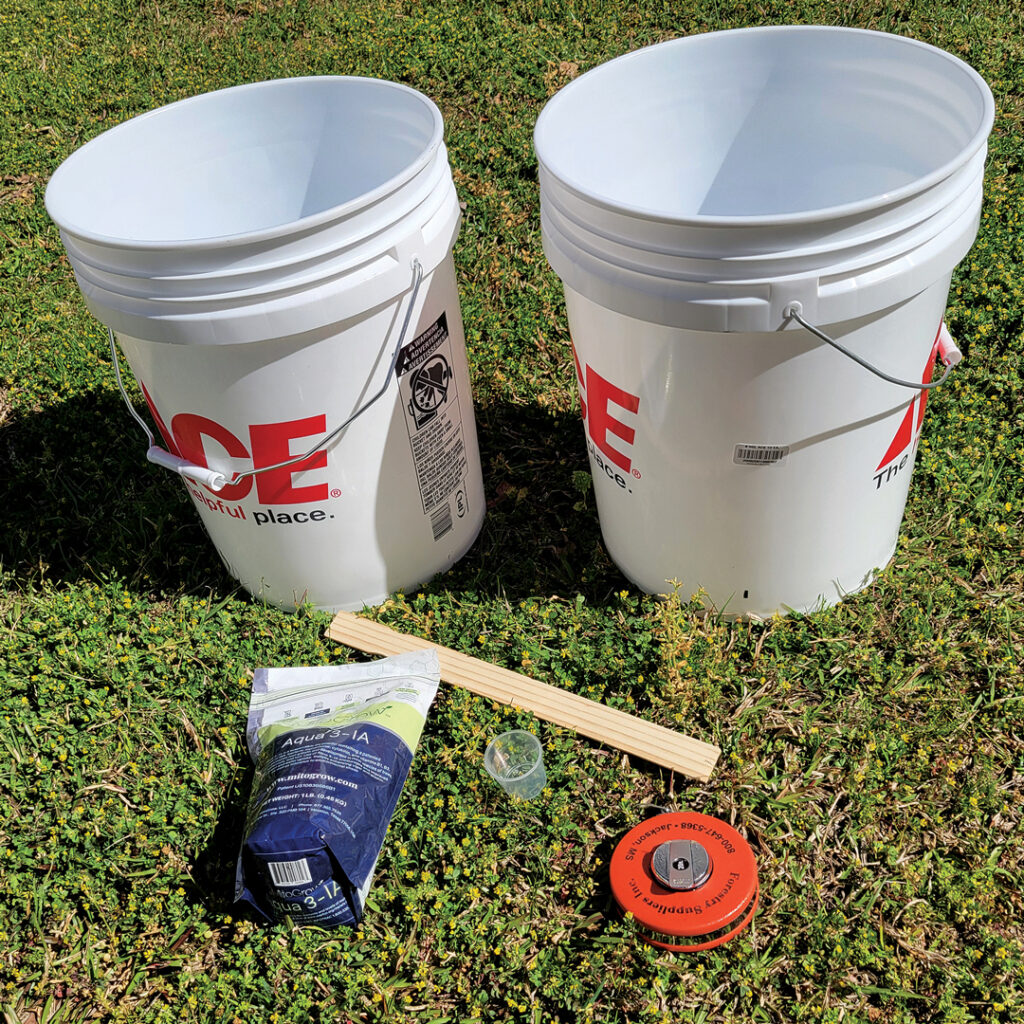
A soil drench is one of the simplest applications you can provide. If you have a five-gallon bucket, water and product, you can get started. Always read the label because the amount depends on product specifics. For soil decompaction, you may already have access to a tow-behind air compressor. If not, this piece of equipment can be rented from an equipment dealer. Air spades can be bought or financed at relatively low rates.
Again, PHC options can vary. Basic remedies include watering, soil decompaction and mulching. Mid-grade strategies can include health supplements such as soil amendments and biostimulants. Advanced options, like prescription medication, include plant/tree growth regulators, which require an applicator’s license.
Plant health care for trees is not only a good service to add to your landscape company, but it will teach you a lot about trees and raise your value as a green industry professional.