 SUBSCRIBE


When it comes to turf maintenance, no two places are the same. And in a nation as big as the U.S., some places are really far from the same.
This month, LM sat down with lawn care operators (LCOs) operating out of the more extreme climates in the country to hear what their specific challenges are and the advice they have for the rest of the industry.

Jared Palenske
General Maintenance Manager
Kelly Lawn and Landscaping
Anchorage, Alaska
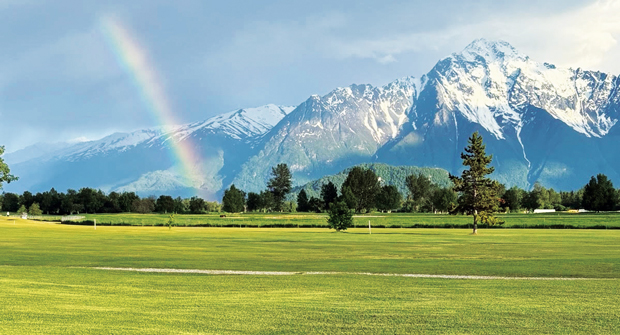
In the subarctic city of Anchorage, Palenske defines their climate as short, cooler summers and long, snowy winters. But even in the state known for its freezing temperatures, he still says unpredictability is a big concern.
And if the winter is particularly tough, Palenske says it can sometimes result in snow cover from October to April or even May, suffocating the grass. As expected, winterkill is a big issue, and it also means irrigation is far less popular since pipes can easily freeze and are tougher to maintain.
But it’s not all bad, and Palenske says two of the biggest benefits to Alaskan turf care is the lack of turf pest and disease problems. With a shortage of hot, humid conditions in the already shorter summers, these issues are far less prevalent than in the Lower 48 states, meaning they have more time to repair the grass at the start of spring.
As for advice, Palenske says the most important thing he’s learned is to hit the ground running at the start of the season, because you never know when the weather might turn on you.
“Just get out early. Hit the ground running. Don’t put off what you know you’re going to have to do eventually anyway when it comes to lawn care,” he says.
Stuart Rinehart
President and Founder
Aloha ‘Aina Landscaping
Waimanalo, Hawaii
Despite being a hot vacation destination, lawn care in Hawaii can be one tough job. Its warm tropical climate doesn’t always show the full picture, and Rinehart says the many micro-climates found throughout the islands can make maintenance tricky.
“You can go from oceanside, full sand, salt wind, even saltwater coming up onto the property with the oceans rising,” he says. “Drive 15 minutes directly into the mountains, and it will be beautiful soil, rocky, plenty of organic material with trees, a lot of rain, shade, tree canopies, and (it’s) a completely different environment.”
With these micro-climates, Hawaii also has some turfgrass species that are unique to the area, including Zoysia tenuifolia and the salt-resistant seashore paspalum, each requiring specific maintenance practices. Combined with the varying climates, Rinehart says it creates an environment where lots of experience and a desire to learn are critical.
“Hire smarter people than yourself on the topic. Hire guys that are passionate,” Rinehart says. “If you surround yourself with people — whether they’re employees, advisors, associates, neighbors or industry peers — who love what they do, they will be a wealth of knowledge for you.”
Jeffrey Hintze
Senior Service Manager
TruGreen Las Vegas
Las Vegas, Nev.
Located within the Mojave Desert, Hintze says Nevada is the driest state in the U.S., and Las Vegas is one of its driest cities. With 300-plus days of sunshine, an average annual rainfall of only four inches and poor alkaline sandy soils, the Gambling Capital of the World can be one of the unluckiest places for turfgrass.
In these conditions, Hintze says that educating customers on best practices is a top tool they have. Relying 100 percent on irrigation due to the lack of rainfall, he always recommends customers irrigate five inches of water per week during the hottest times of the year and to do all watering in the mornings before 8 a.m.
But with water being a scarce resource, he says Las Vegas has taught him to be dialed in on watering practices, and he’s even helping customers transform their lawns to desertscapes and xeriscapes.
“Being a lawn pro in Las Vegas, you learn to work with scarcity — scarce water and soil conditions,” Hintze says. “We take that mindset and adapt with timely service, efficiency and educating customers, which is valuable in any region.”